BOCC Sample Inspection Report
Bocc inspections Sample Report
BOCC Inspections sample report. All client names, addresses, dates and identifying photos have been removed.
INSPECTION REPORT
123 Sample Street
Calgary, AB
INSPECTED BY
Cody Carter
Bocc inspections
INSPECTION DATE
Sample date
INSPECTION REPORT
123 Sample Street
Calgary, AB
INSPECTED BY
Cody Carter
Bocc inspections
INSPECTION DATE
Sample date
Top Table of Contents Bottom
General Info
Property Address
123 Sample Street
Calgary, AB
Date of Inspection
Sample date
Report ID
BOCC Sample Report
Customer(s)
Sample Client
Time of Inspection

Real Estate Agent


Inspection Details
In Attendance:
Customer and their agent

Type of building:
Single Family (2 story)

Temperature:
Below 15.5 (C) = 60 (F)

Weather:
Clear

Ground/Soil surface condition:
Wet

Rain in last 3 days:
No

Comment Key & Definitions

Comment Key or Definitions

The following definitions of comment descriptions represent this inspection report. All comments by the inspector should be considered before purchasing this home. Any recommendations by the inspector to repair or replace suggests a second opinion or further inspection by a qualified contractor. All costs associated with further inspection fees and repair or replacement of item, component or unit should be considered before you purchase the property.

Inspected (IN) = I visually observed the item, component or unit and if no other comments were made then it appeared to be functioning as intended allowing for normal wear and tear.

Not Inspected (NI)= I did not inspect this item, component or unit and made no representations of whether or not it was functioning as intended and will state a reason for not inspecting.

Not Present (NP) = This item, component or unit is not in this home or building.

Repair or Replace (RR) = The item, component or unit is not functioning as intended, or needs further inspection by a qualified contractor. Items, components or units that can be repaired to satisfactory condition may not need replacement.

Top Table of Contents Bottom

General Summary


Bocc inspections

Phone #: 403-389-7121
Inspector License #: 352230
Business License #: 356597

Customer
Sample Client

Address
123 Sample Street
Calgary, AB

The following items or discoveries indicate that these systems or components do not function as intended or adversely affects the habitability of the dwelling; or warrants further investigation by a specialist, or requires subsequent observation. This summary shall not contain recommendations for routine upkeep of a system or component to keep it in proper functioning condition or recommendations to upgrade or enhance the function or efficiency of the home. This Summary is not the entire report. The complete report may include additional information of concern to the customer. It is recommended that the customer read the complete report.

2.  Attic
2.1  Attic Hatch  
Inspected, Repair or Replace
There was no weather stripping between the attic access and the attic hatch. I recommend installing fresh weather stripping at the attic hatch annually to reduce the build-up of warm, moist air.
2.1 Item 1(Picture)
2.4  Insulation  
Inspected, Repair or Replace
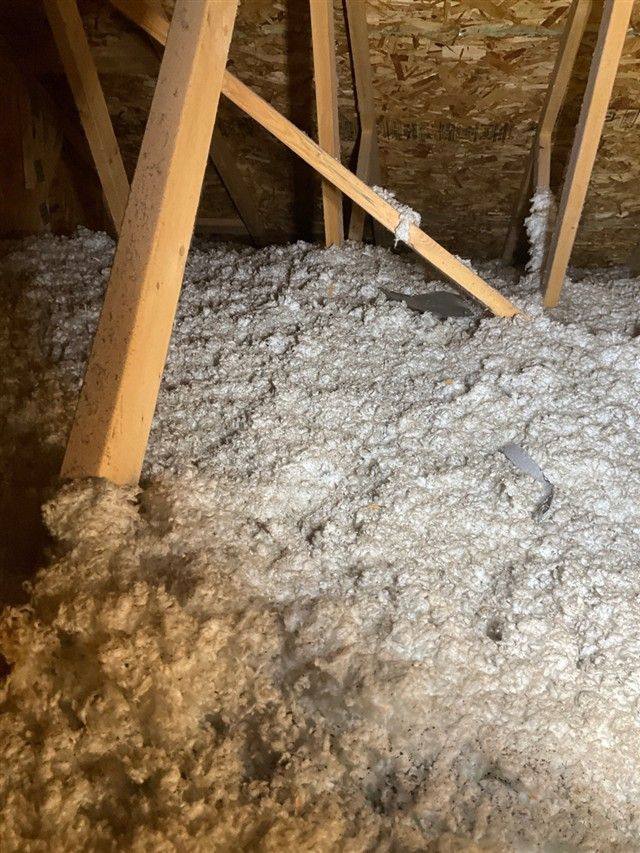
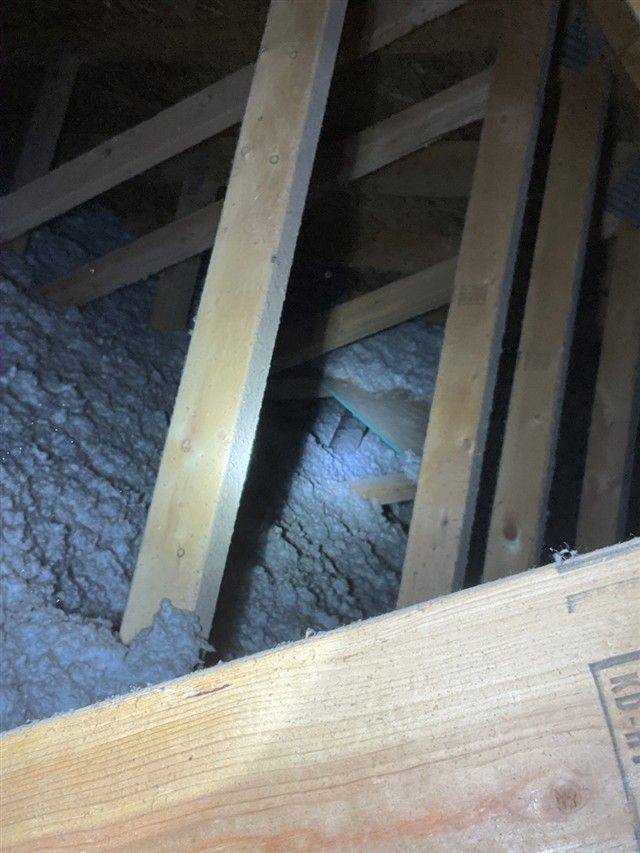
The attic has an average amount of insulation for the year the home was built. More insulation can be added at any time.
2.4 Item 1(Picture)
2.6  Ventilation Fans and Thermostatic Controls in Attic  
Inspected, Repair or Replace
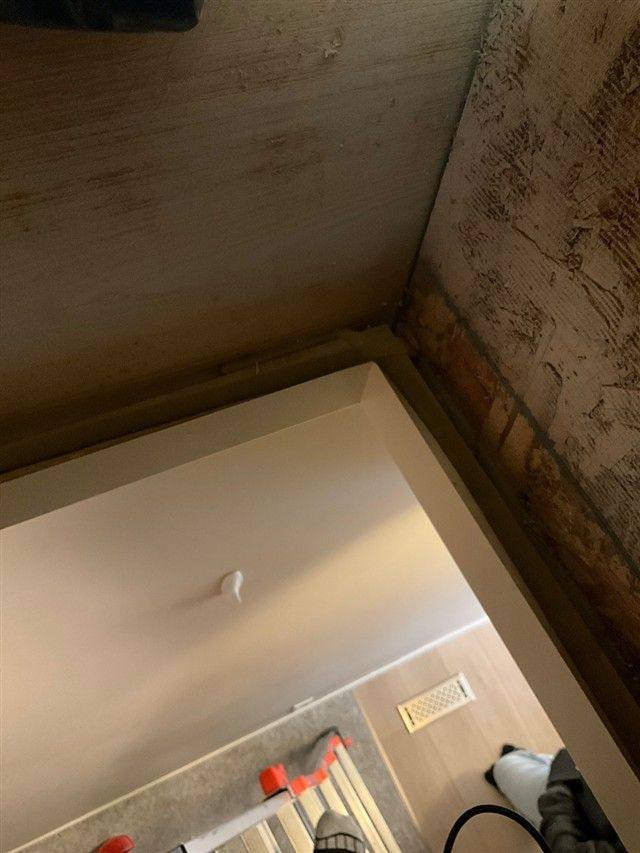
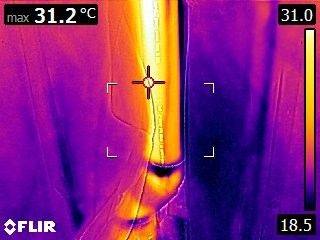
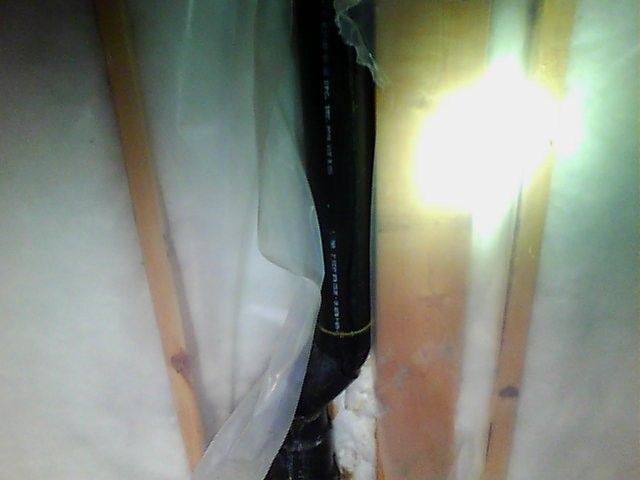
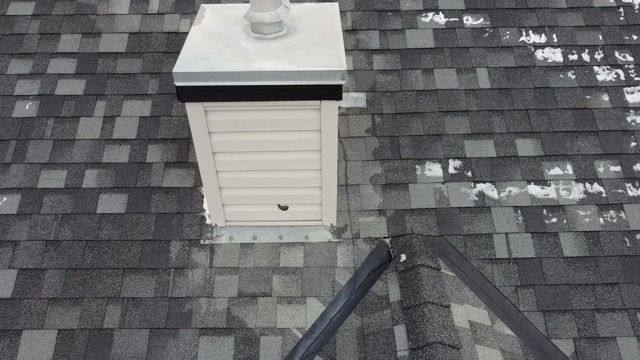
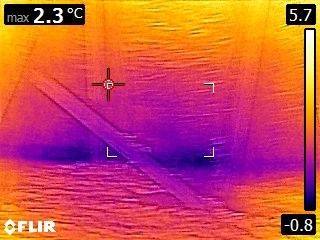
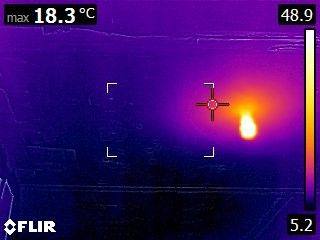
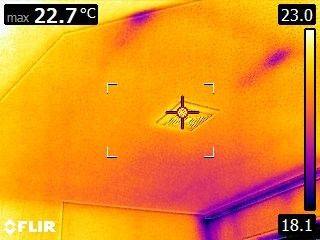
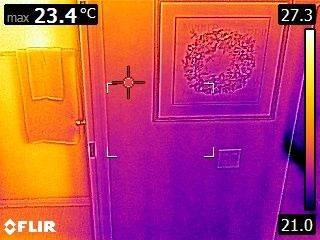
There is a moisture stain on the ceiling below this area, near the hallway bathroom door. Recommend having a contractor further investigate the bathroom fan vent line in the attic.
2.6 Item 1(Picture)

3.  Exterior
3.1  Wall Cladding Flashing and Trim  
Inspected, Repair or Replace
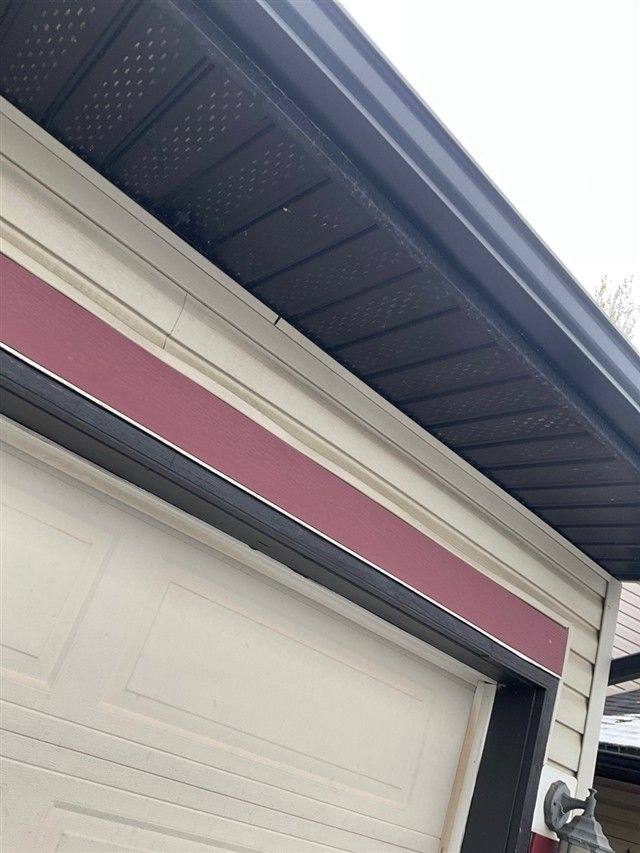
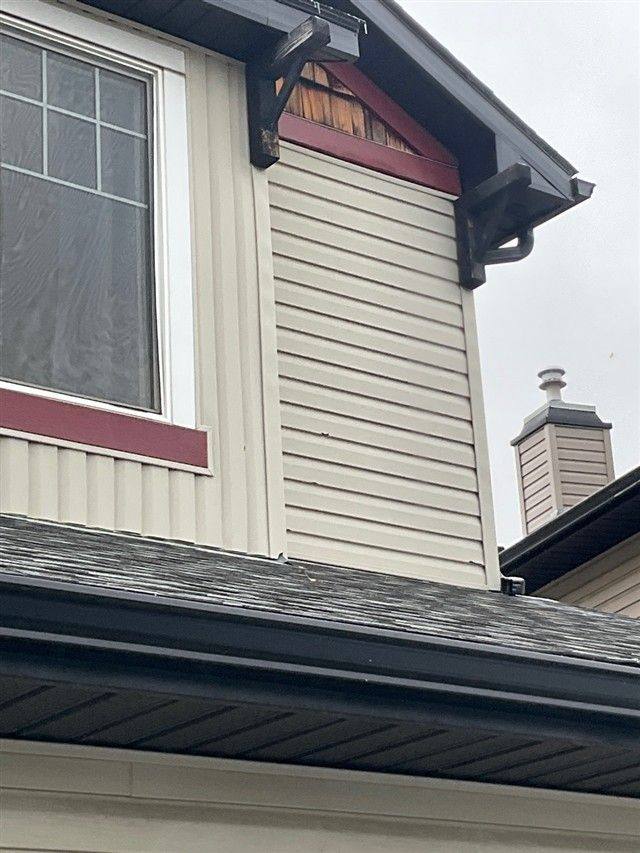
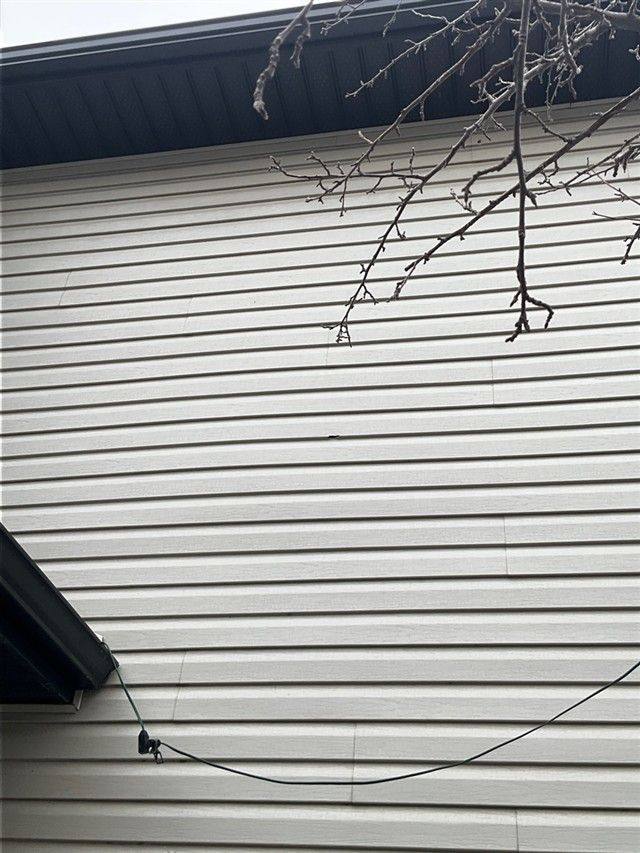
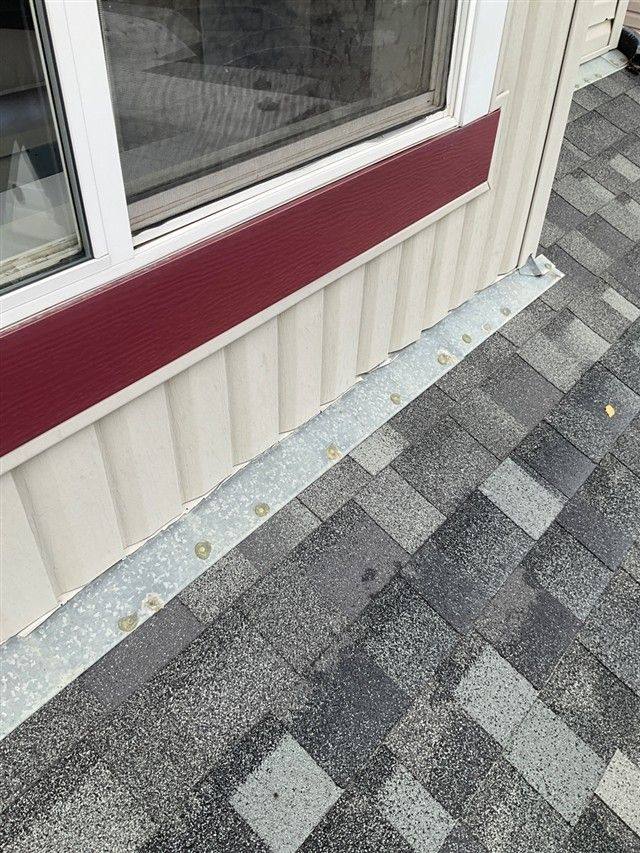
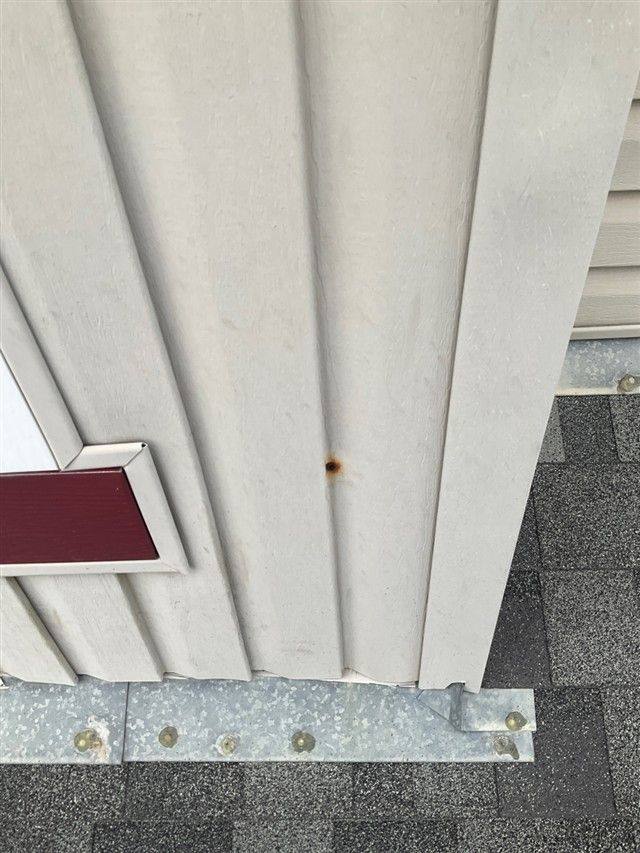
There is warped vinyl siding and hail damage at the front of the home. Recommend having a siding contractor further assess and repair. The J-channel connection piece on the vinyl siding above the garage was cut out. Recommend having a siding contractor further assess and repair. Higher levels of wall cladding around the home are only visually inspected from the ground level.
3.1 Item 1(Picture)
3.1 Item 2(Picture)
3.1 Item 3(Picture)
3.1 Item 4(Picture)
3.1 Item 5(Picture)
3.1 Item 6(Picture)
3.1 Item 7(Picture)
3.2  Doors (Exterior)  
Inspected, Repair or Replace
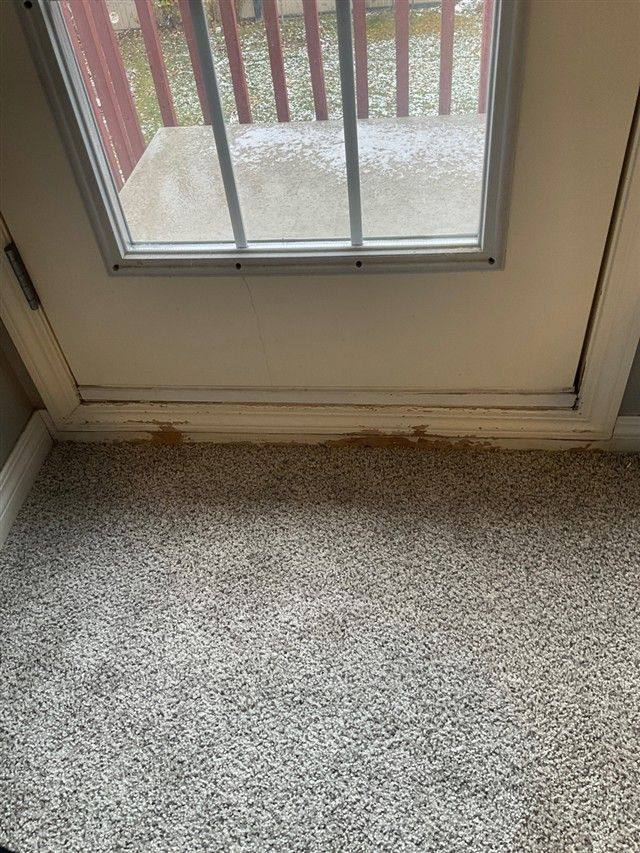
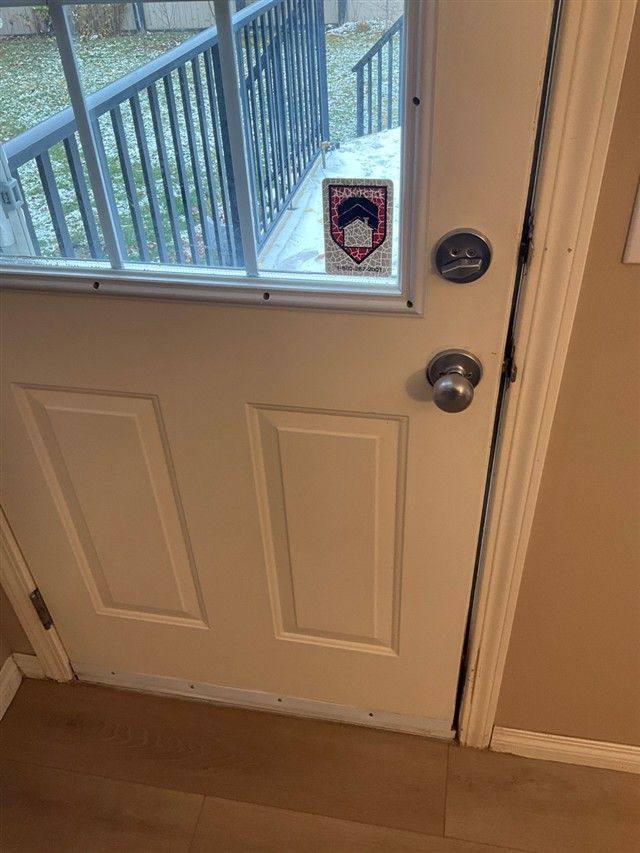
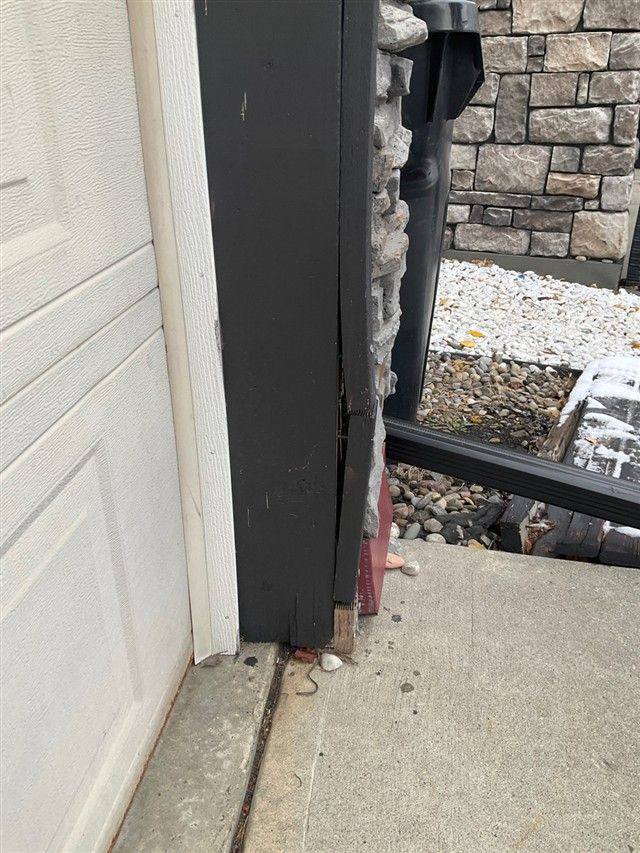
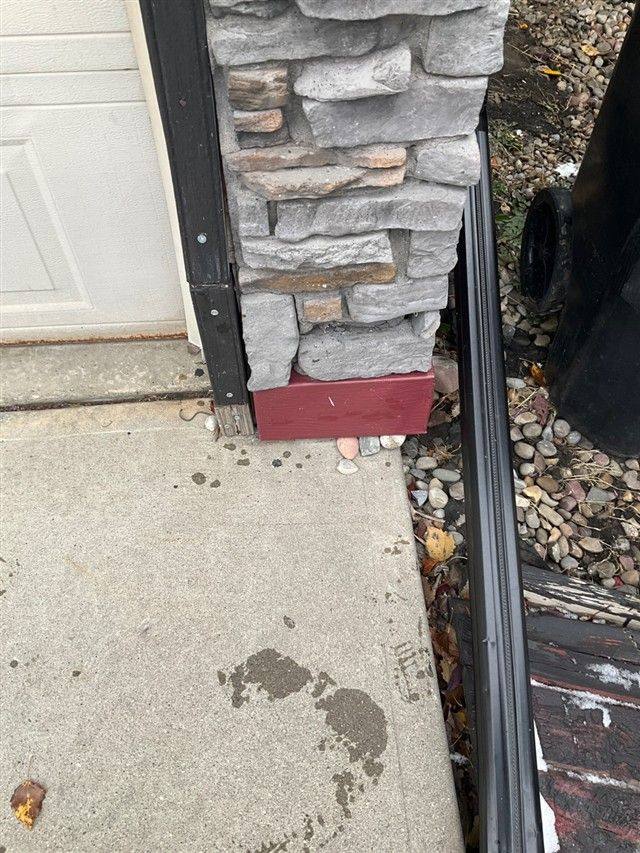
Deterioration was noted to the trim around the threshold of the patio door. This area was dry at the time of the inspection; recommend further monitoring in the future. The closing arm on the storm door at the front of the home is disconnected, and the casing around the front door is damaged. I recommend having a contractor further assess and repair.
3.2 Item 1(Picture)
3.2 Item 2(Picture)
3.2 Item 3(Picture)
3.4  Windows/Frame  
Inspected, Repair or Replace
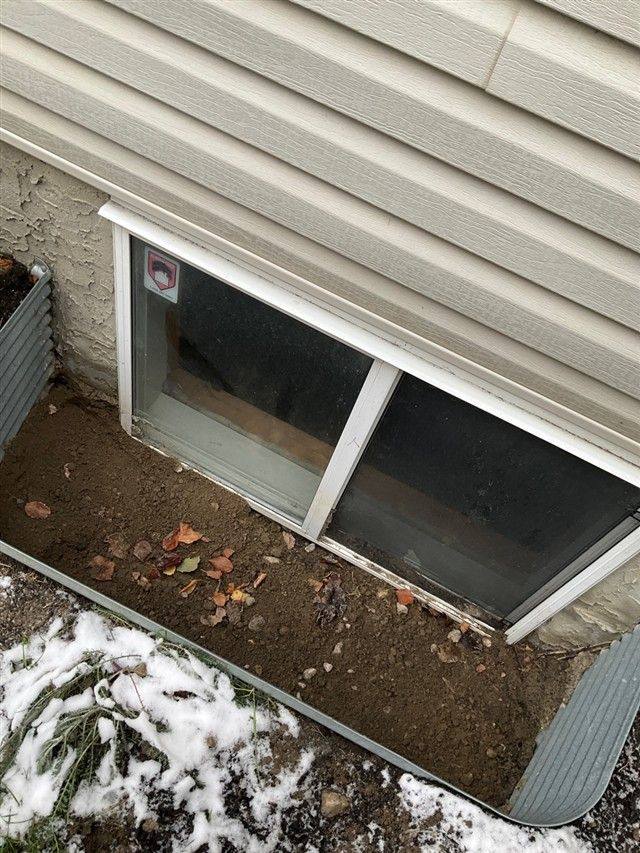
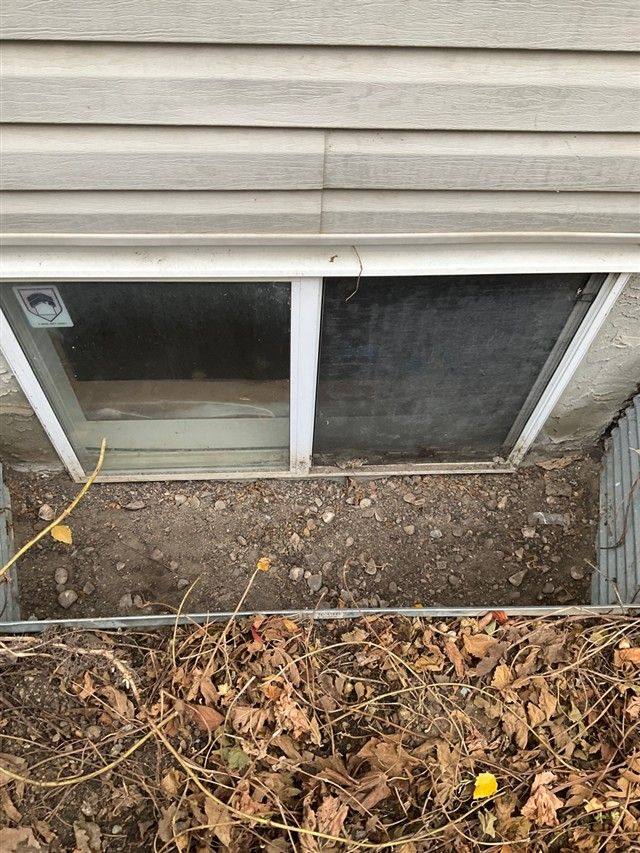
There should be at least 6 inches of space between the bottom of the window and the wash rock. This helps prevent water from pooling against the window, which could cause moisture intrusion into the home.
3.4 Item 1(Picture)
3.4 Item 2(Picture)
3.10  Dryer Vent  
Inspected, Repair or Replace
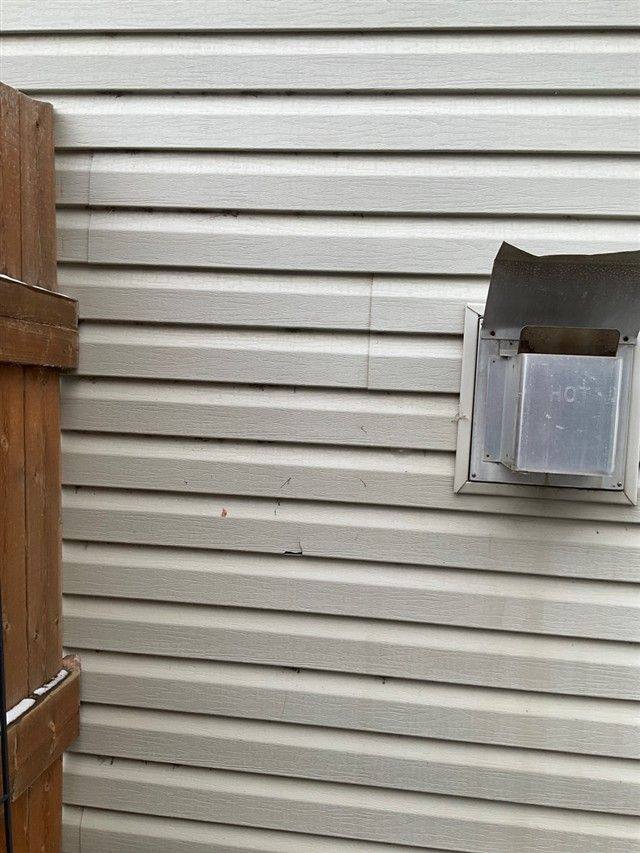
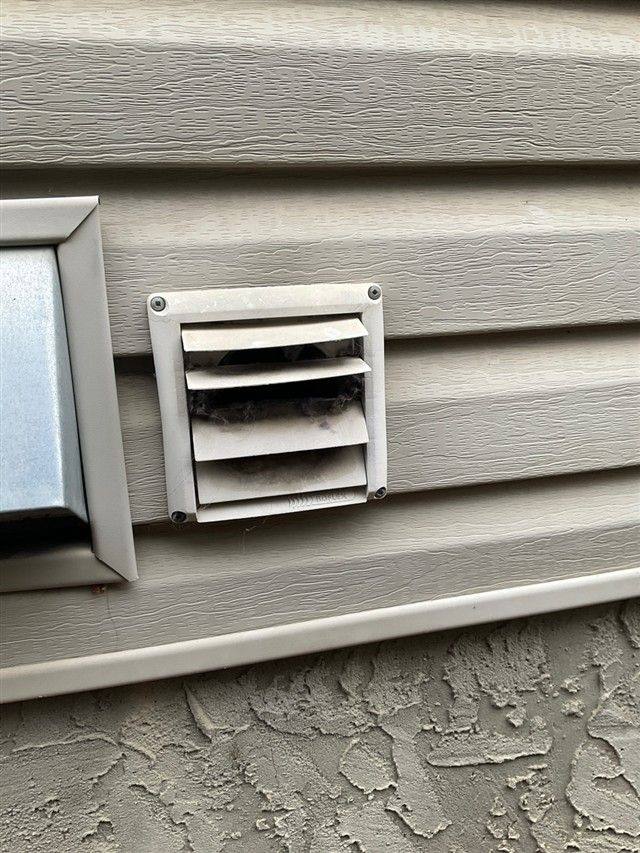
The dryer vent is dirty. Recommend routinely cleaning the dryer vent so that the one-way door/flaps will properly close. This will also prevent birds/rodents from nesting inside.
3.10 Item 1(Picture)
3.11  Bathroom Vent  
Inspected, Repair or Replace
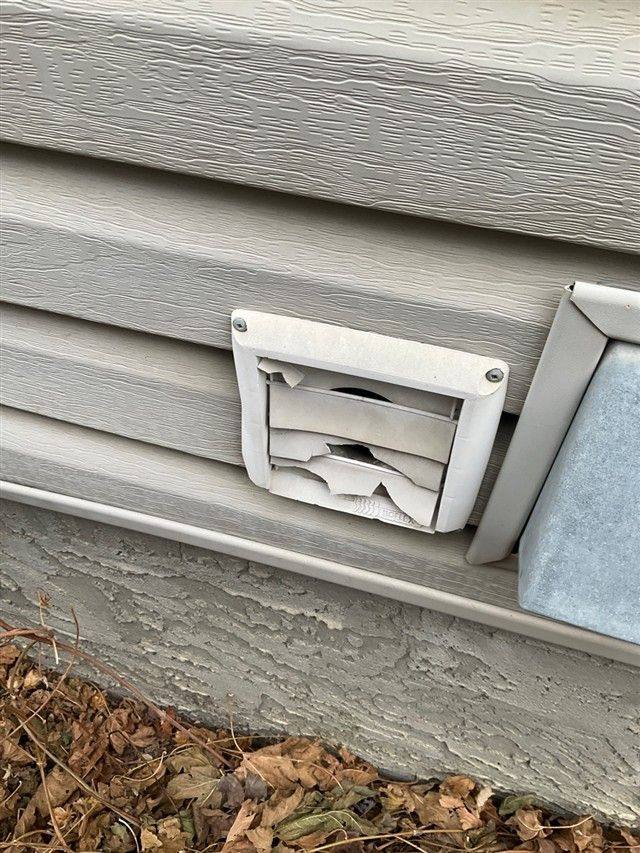
The flaps on the bathroom vent caps are broken. Recommend having a contractor replace them to prevent birds/rodents from nesting inside.
3.11 Item 1(Picture)
3.18  Decks, Balconies, Stoops, Steps, Areaways, Porches, Patio/Cover and Applicable Railings  
Inspected, Repair or Replace
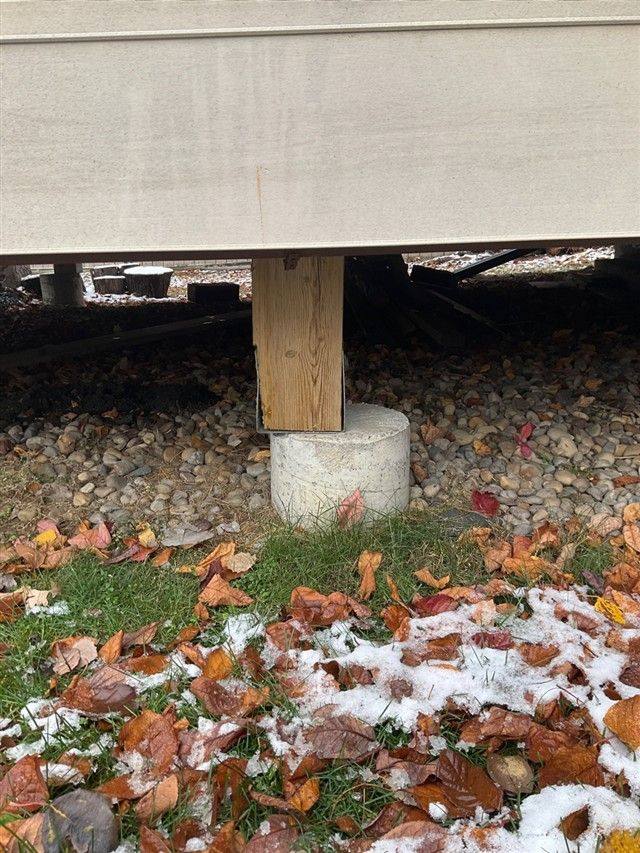
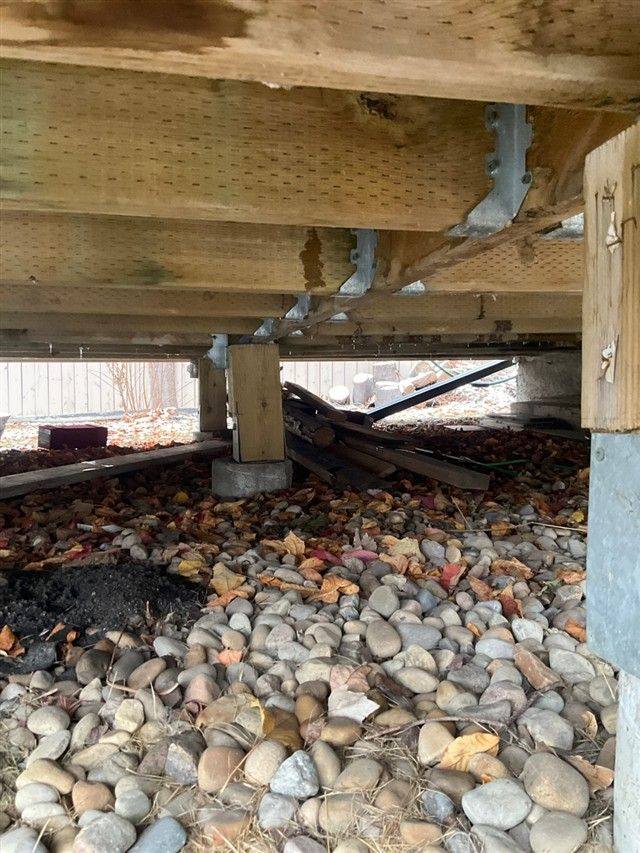
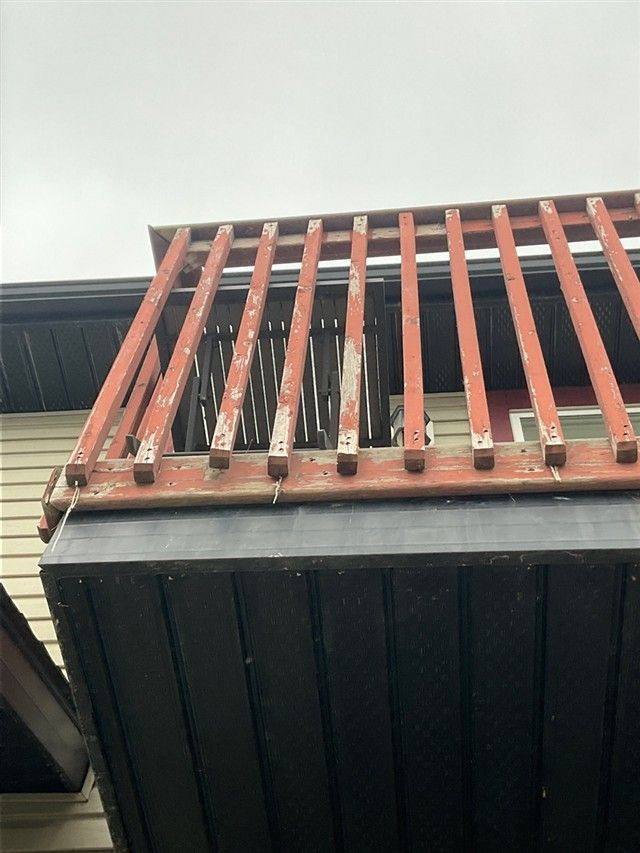
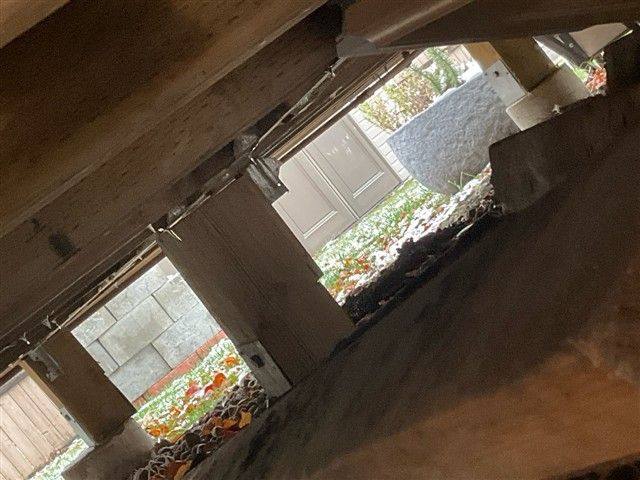
Improper fasteners were noted in the joist hangers; they are not rated for shear strength. One post is not centred in the footing; recommend monitoring for movement in the future. The middle post is not cut to a proper length, which does not allow proper weight distribution on the back deck. Recommend having a contractor add shims. The railings on the back porch are deteriorating. Recommend having a contractor replace them.
3.18 Item 1(Picture)
3.18 Item 2(Picture)
3.18 Item 3(Picture)
3.18 Item 4(Picture)
3.23  Vegetation  
Inspected, Repair or Replace
A tree branch is leaning against the exterior of the home. I recommend trimming the tree back and maintaining it routinely to avoid damage to the building exterior.
3.23 Item 1(Picture)

4.  Garage
4.3  Garage Attic Insulation  
Inspected, Repair or Replace
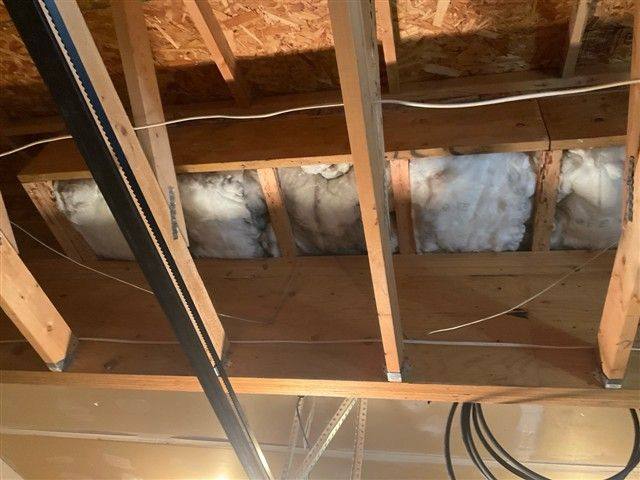
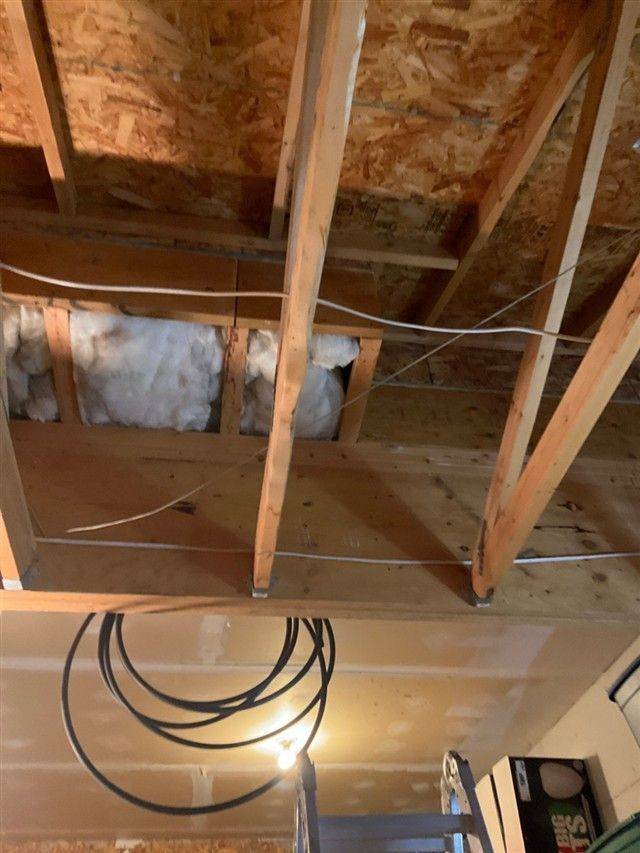
Recommend improving the insulation below the bonus room on the upper floor with closed-cell spray foam. Recommend having a contractor further assess.
4.3 Item 1(Picture)
4.4  Garage Cladding, Flashing and Trim  
Inspected, Repair or Replace
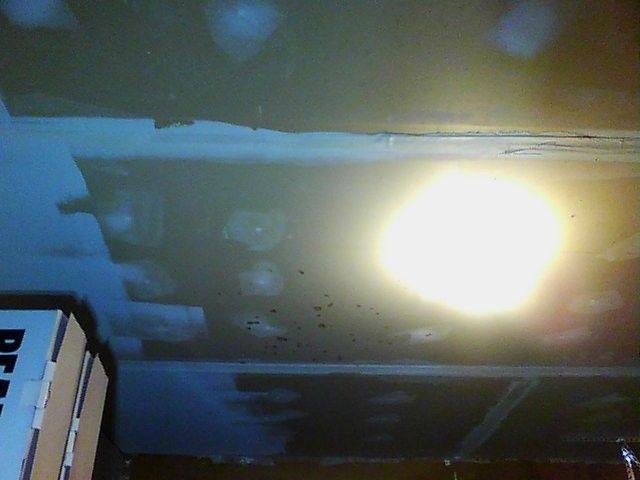
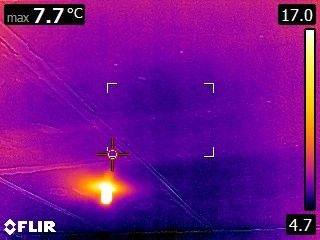
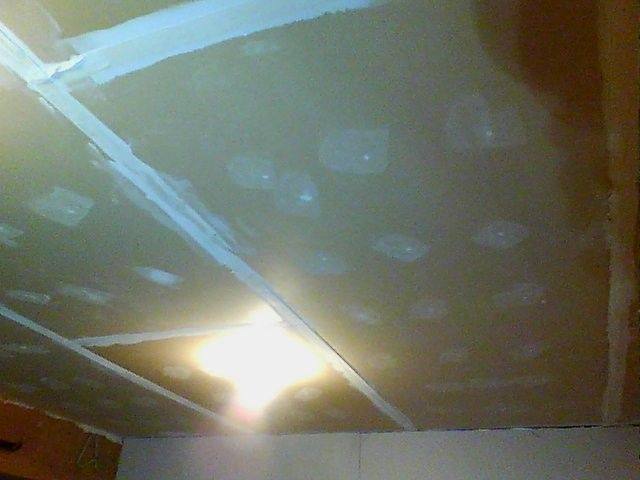
There appears to be past moisture intrusion in one area in the ceiling of the garage. This is potentially due to a damaged J-channel allowing moisture to penetrate beneath the vinyl siding. Recommend having a contractor further assess and repair.
4.4 Item 1(Picture)
4.4 Item 2(Picture)
4.12  Garage Door (s)  
Inspected, Repair or Replace
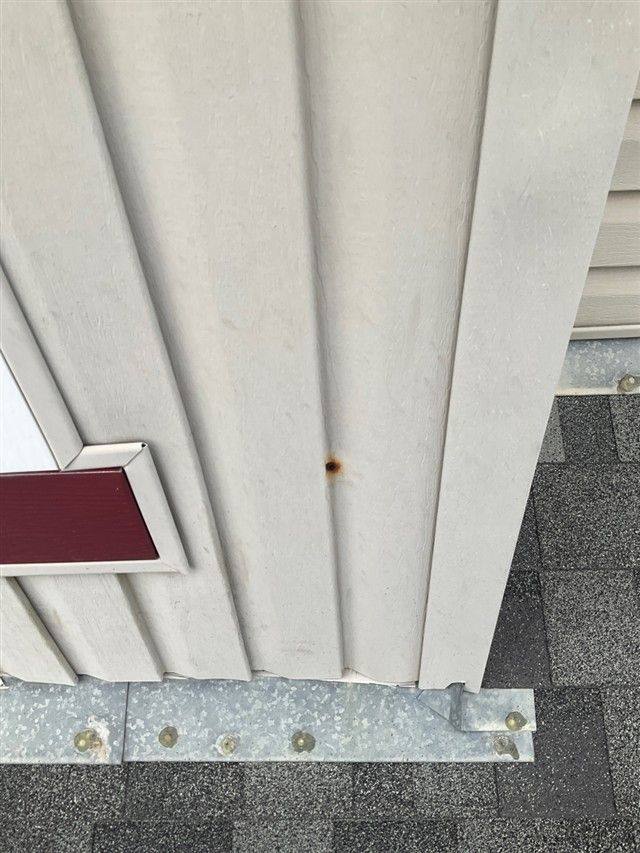
Rust was noted on the bottom panel of the garage door. Recommend sealing the rust to help preserve the panel. Adding weather stripping can also help. Recommend further monitoring.

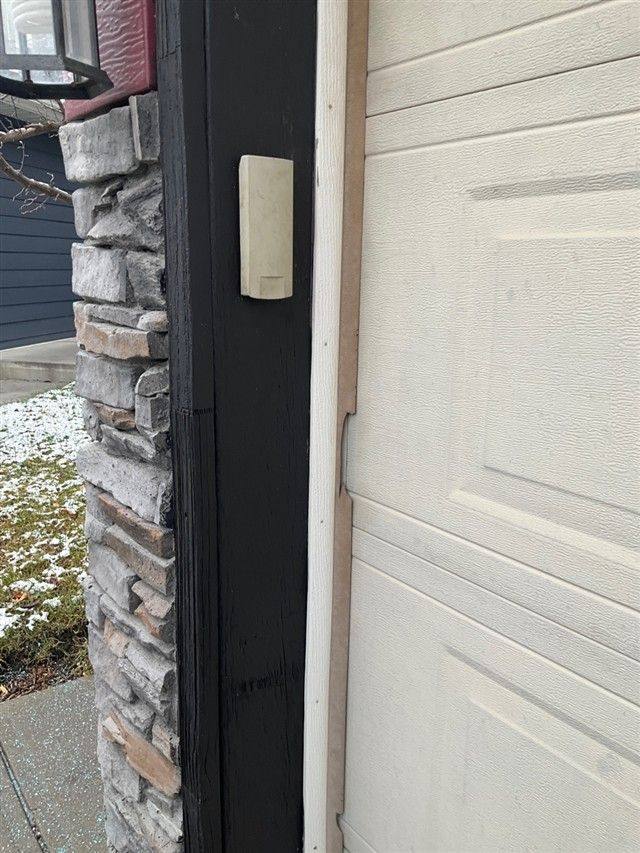
The weather stripping and trim on the garage door are damaged. Recommend replacing them.

4.12 Item 1(Picture)
4.12 Item 2(Picture)
4.12 Item 3(Picture)
4.12 Item 4(Picture)

5.  Interiors
5.0  Ceilings  
Inspected, Repair or Replace
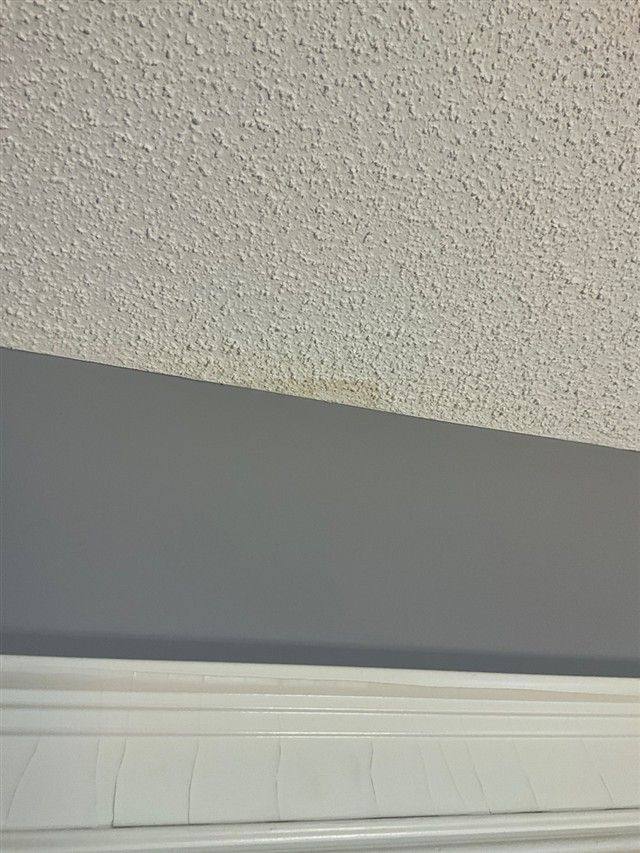
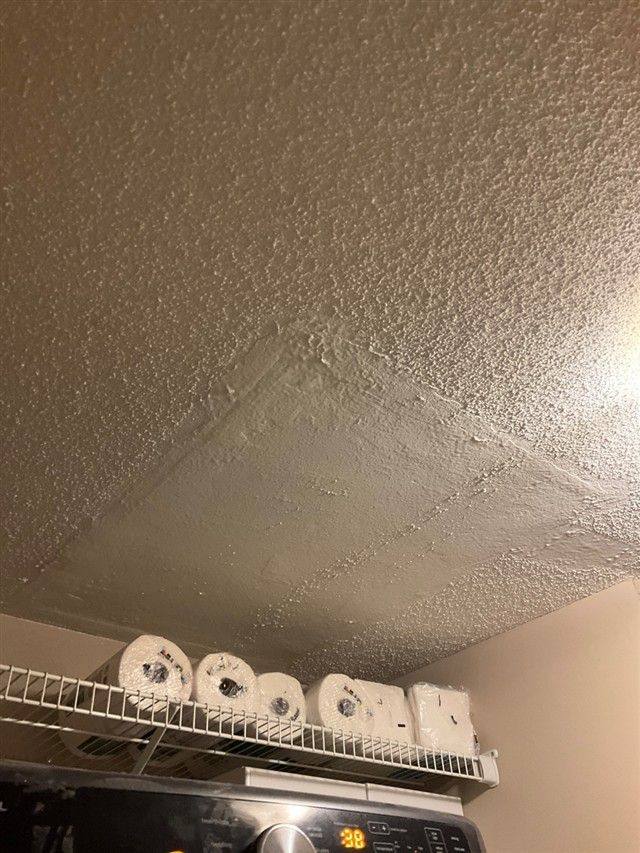
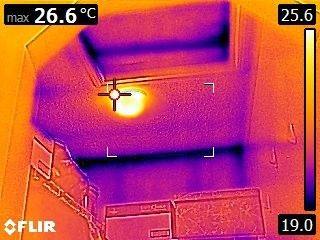
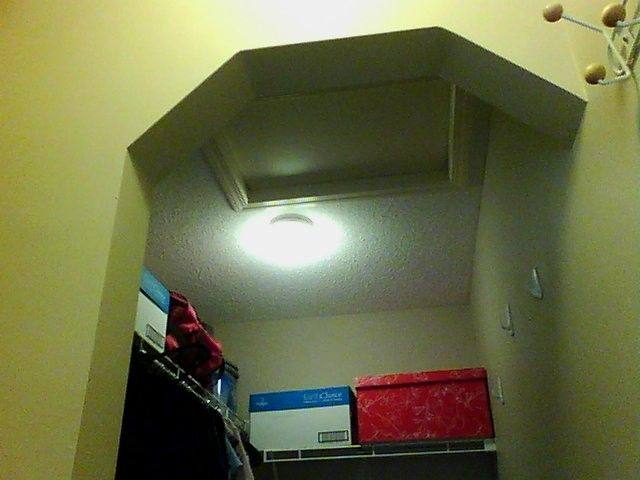
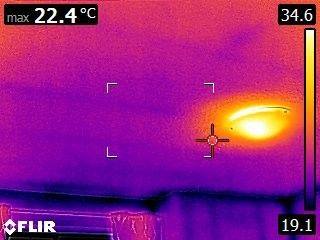
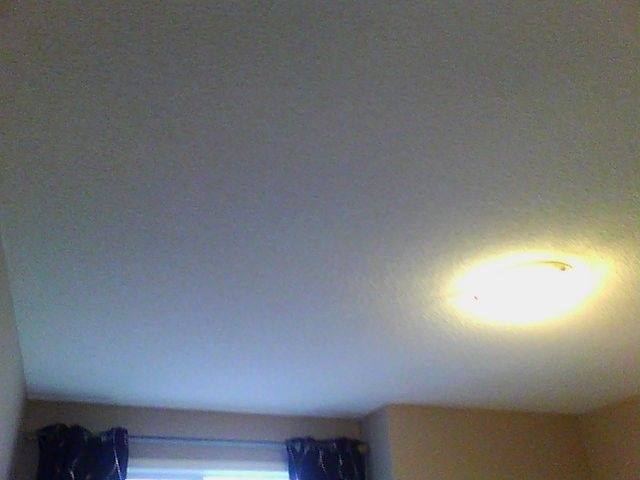
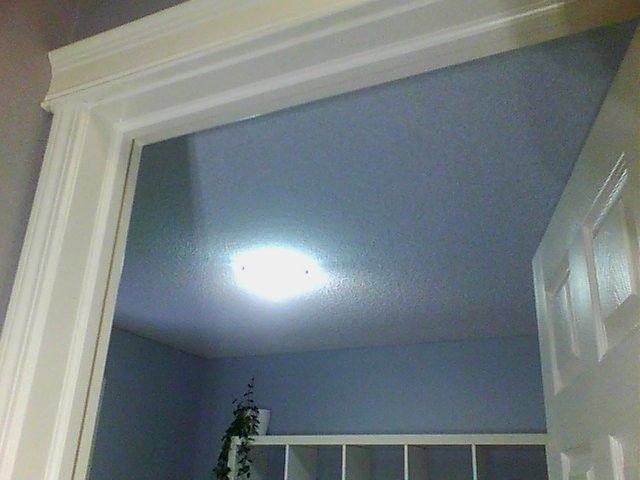
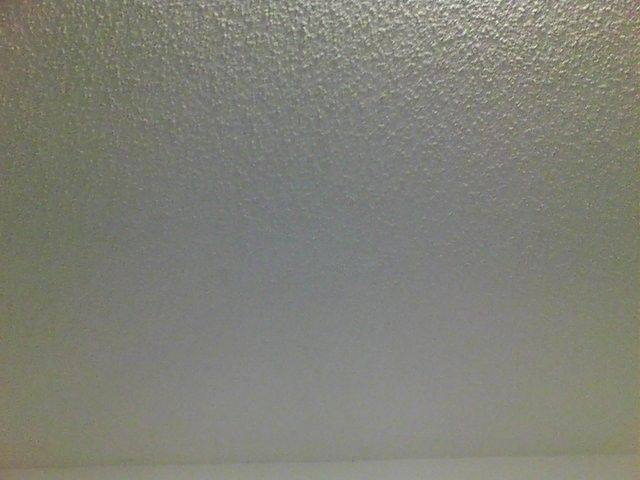
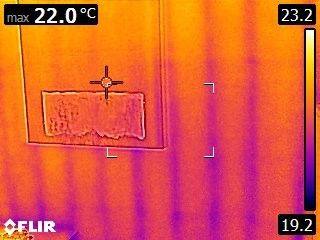
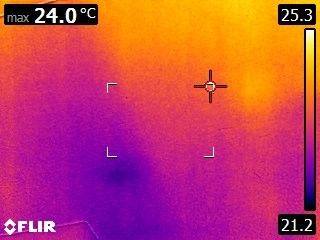
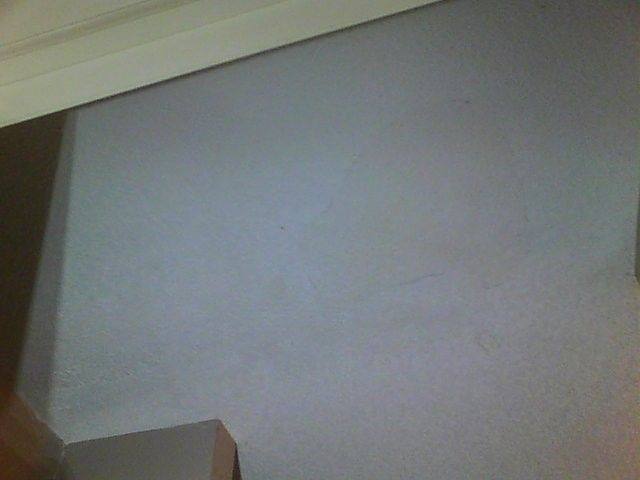
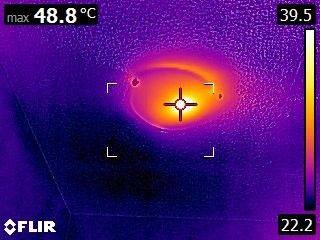
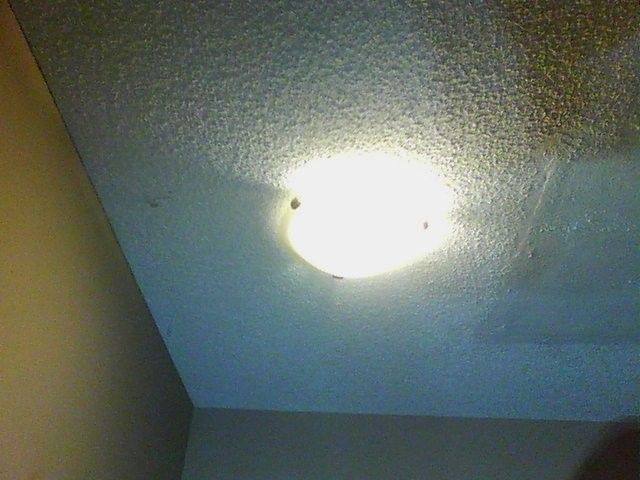
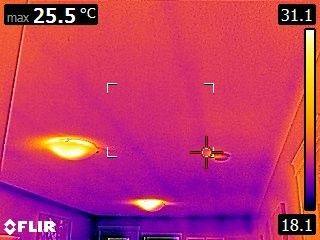
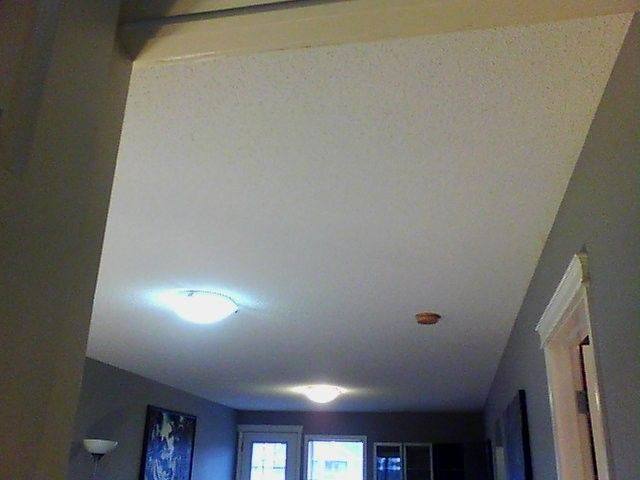
A moisture stain was noted on the ceiling on the upper floor, most likely from past attic rain. Recommend getting further information from the sellers. There is also a patch job on the ceiling of the mudroom. This area was dry at the time of the inspection. Recommend getting further information from the sellers on any past repairs. (Cosmetic issues are not part of the inspection)
5.0 Item 1(Picture)
5.0 Item 2(Picture)

6.  Kitchen Appliances and Components
6.4  Dishwasher  
Inspected, Repair or Replace
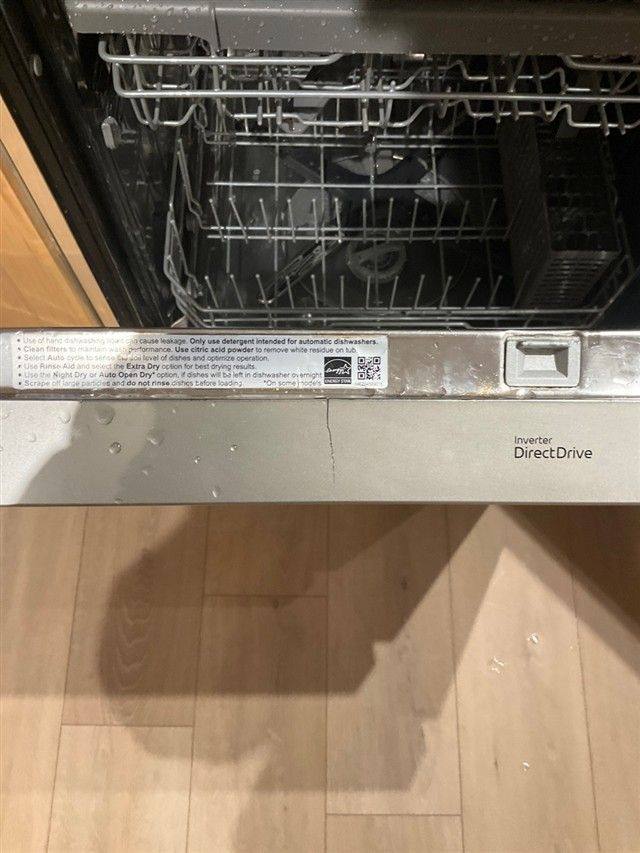
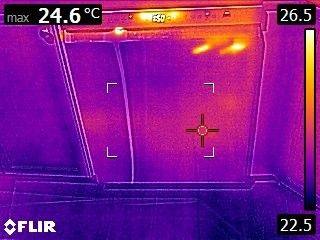
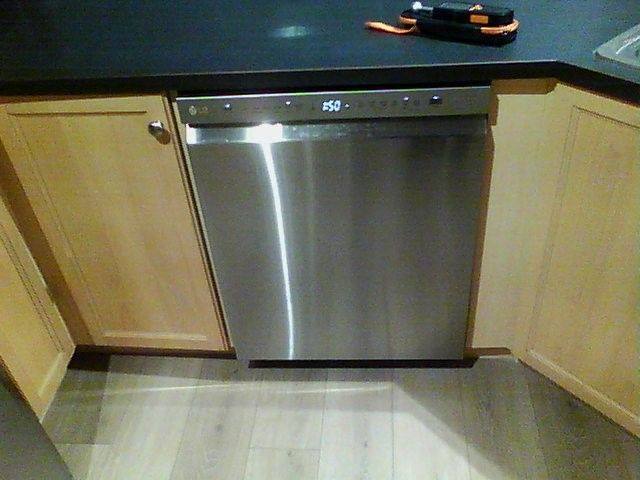
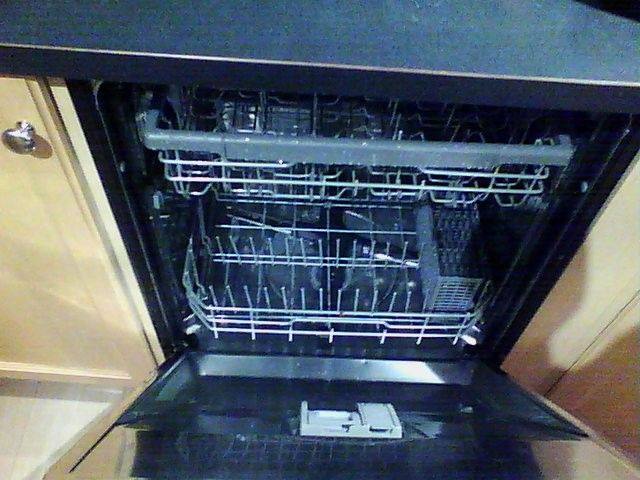
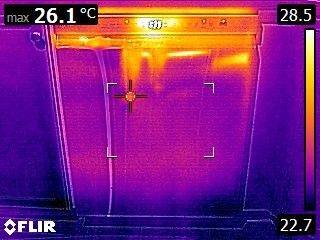
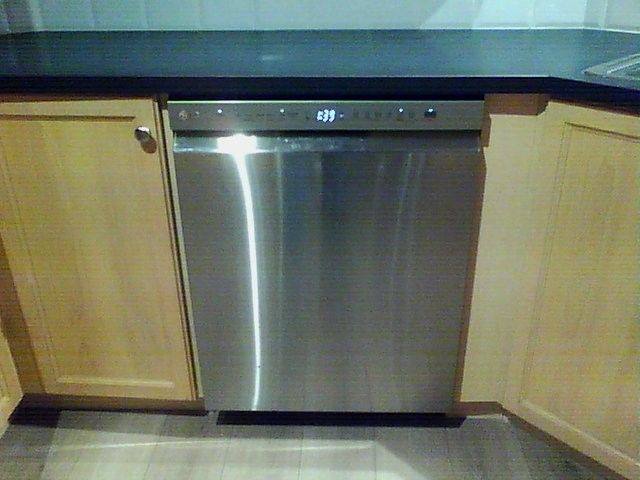
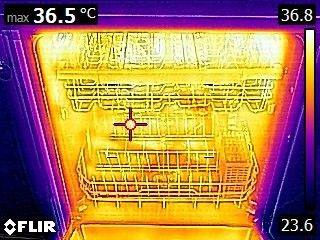
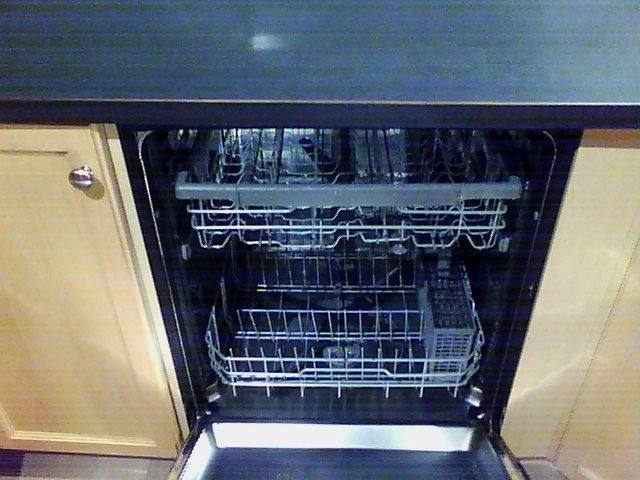
Minor damage was noted to the trim of the dishwasher. This did not hinder the function of the appliance. The dishwasher was tested on a regular cycle and was working well on the day of the inspection, with no leaks. No warranties or guarantees are given on any appliances in the home.
6.4 Item 1(Picture)
6.4 Item 2(Picture)
6.4 Item 3(Picture)
6.4 Item 4(Picture)
6.4 Item 5(Picture)
6.4 Item 6(Picture)
6.4 Item 7(Picture)
6.4 Item 8(Picture)
6.4 Item 9(Picture)
6.5  Ranges/Ovens/Cooktops  
Inspected, Repair or Replace
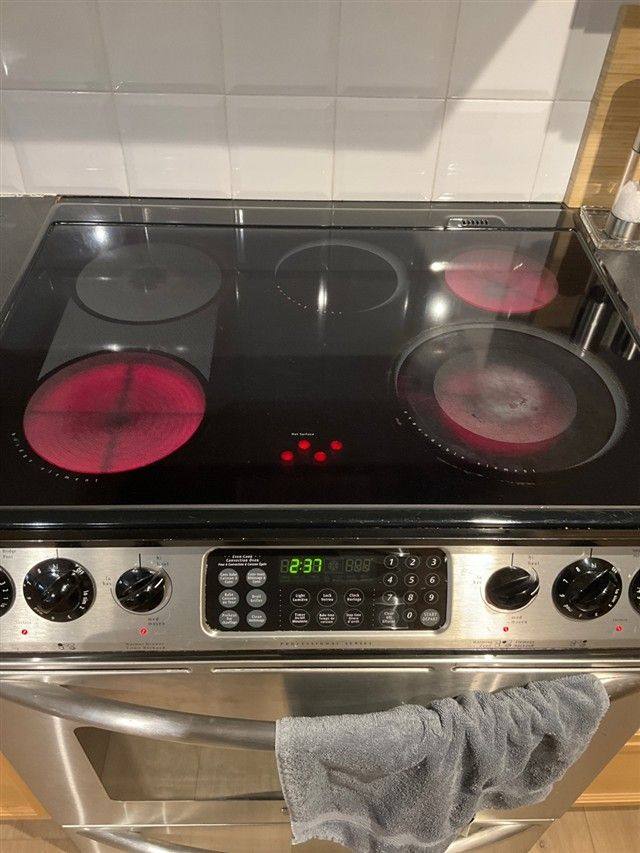
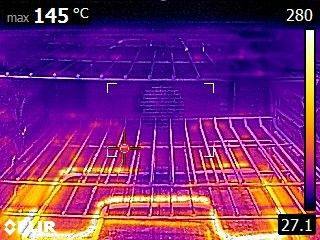
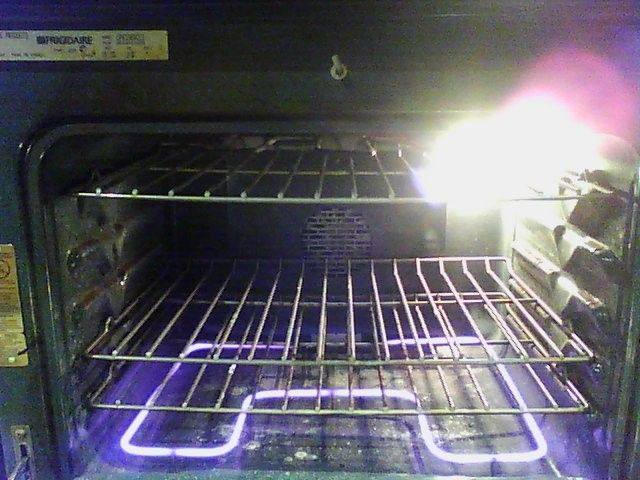
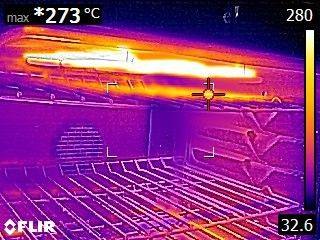
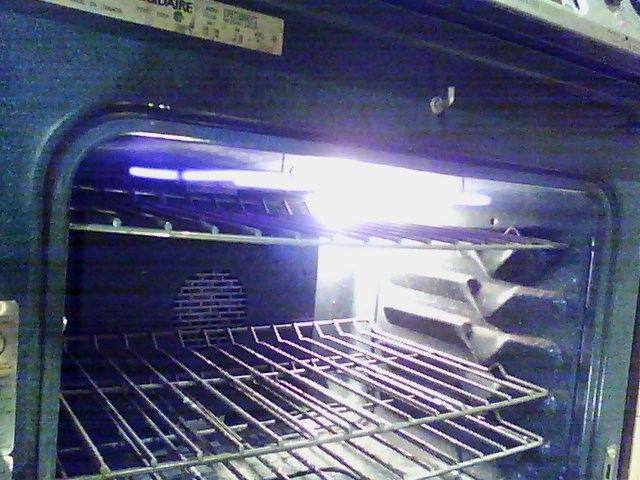
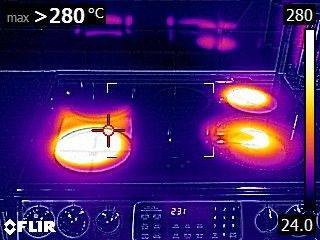
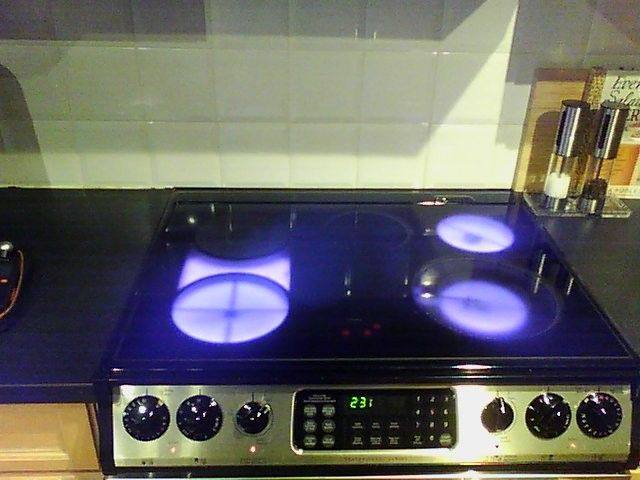
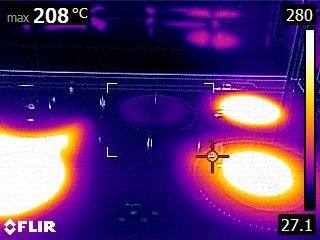
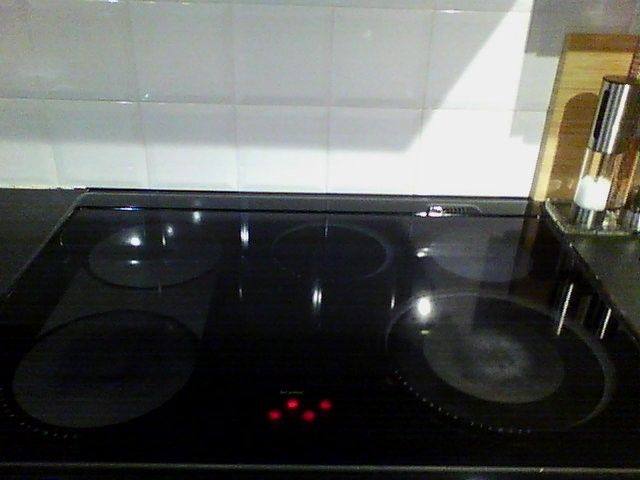
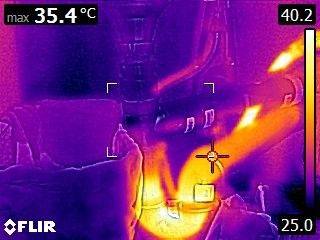
The stove elements were tested at the time of the inspection. The top left element did not work. Recommend having an appliance technician further assess and repair as needed. No warranties or guarantees are given on any appliances in the home.
6.5 Item 1(Picture)
6.5 Item 2(Picture)
6.5 Item 3(Picture)
6.5 Item 4(Picture)
6.5 Item 5(Picture)
6.5 Item 6(Picture)
6.5 Item 7(Picture)
6.5 Item 8(Picture)
6.5 Item 9(Picture)
6.11  Operation of GFCI (Ground Fault Circuit Interrupters)  
Inspected, Repair or Replace
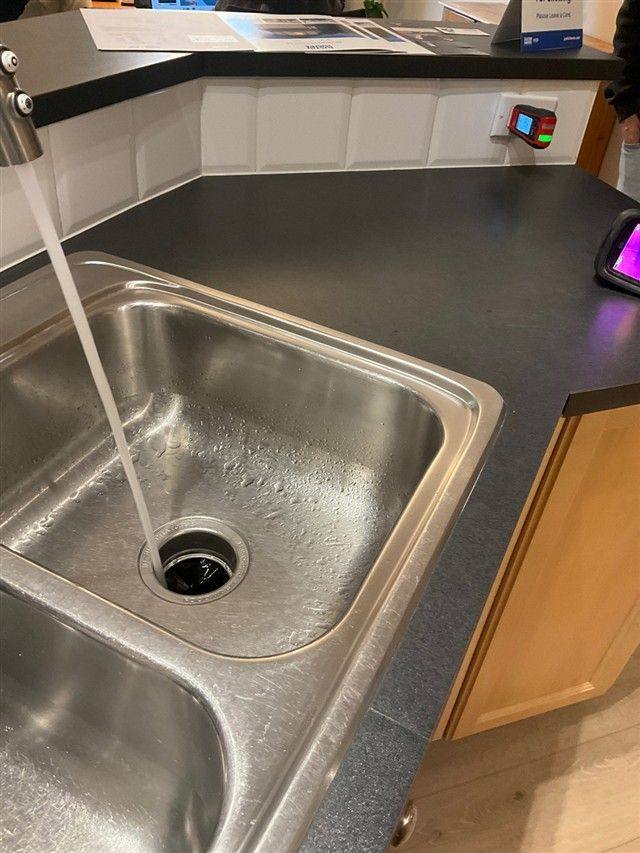
GFCIs are not in place near water sources. Recommend having a journeyman electrician install GFCIs within 1.5 m (5 ft) of the kitchen sink. (For more information on GFCIs, see the Electrical System section.)
6.11 Item 1(Picture)

7.  Basement
7.7  Vapor Barrier  
Inspected, Repair or Replace
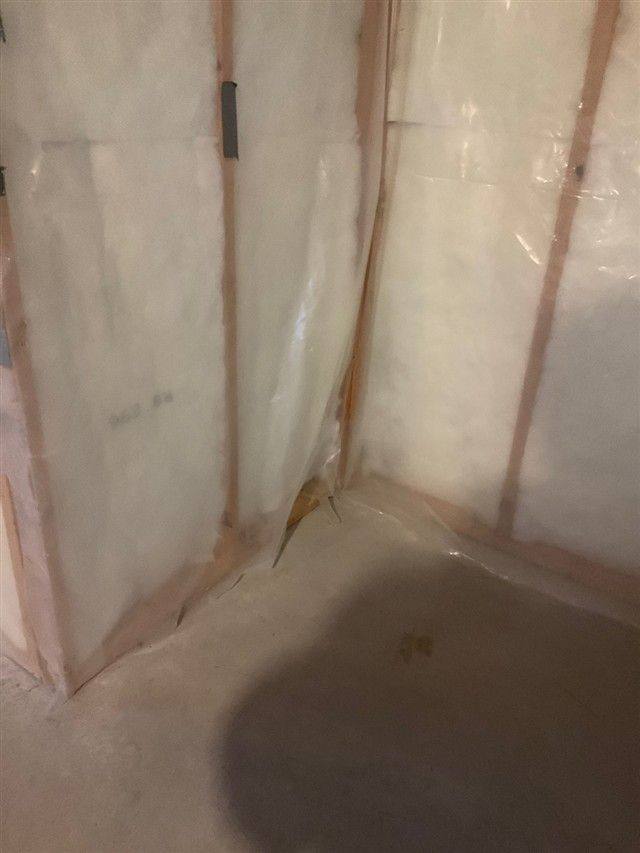
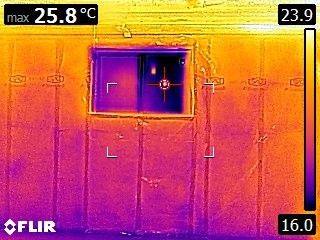
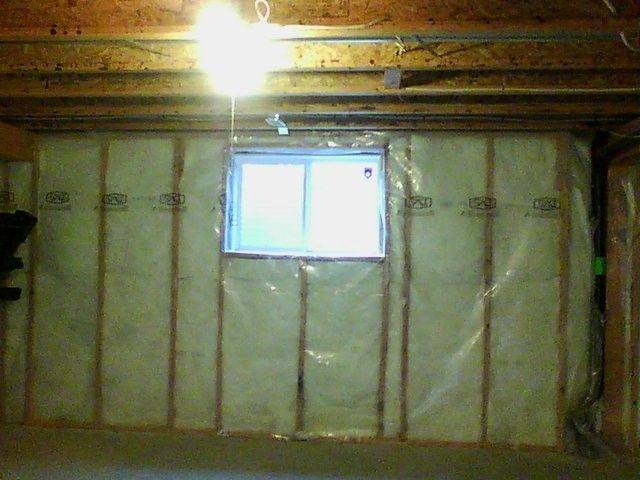
The vapor barrier needs to be re-sealed to help prevent warm interior air from coming into contact with cold exterior air. If left unfixed, this could potentially lead to condensation issues. A tube of acoustical sealant can be bought at any home renovation store to re-seal the poly to the concrete.
7.7 Item 1(Picture)

8.  Plumbing System
8.0  Plumbing Drain, Waste and Vent Systems  
Inspected, Repair or Replace
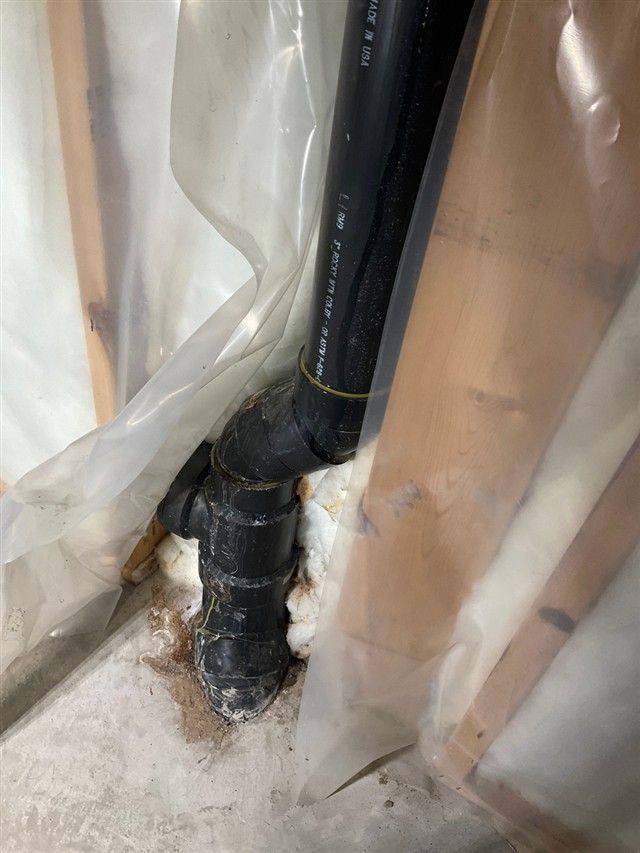
There was a leak noted at the plumbing stack. To avoid future water damage, recommend having a journeyman plumber further assess and repair.
8.0 Item 1(Picture)
8.0 Item 2(Picture)
8.0 Item 3(Picture)
8.0 Item 4(Picture)
8.0 Item 5(Picture)

9.  Bathroom and Components
9.1  Ceilings  
Inspected, Repair or Replace
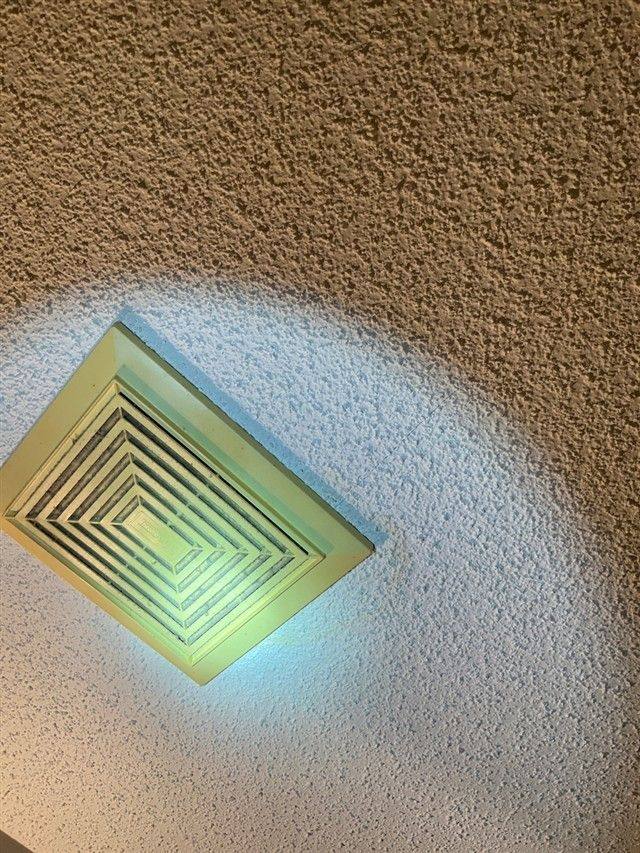
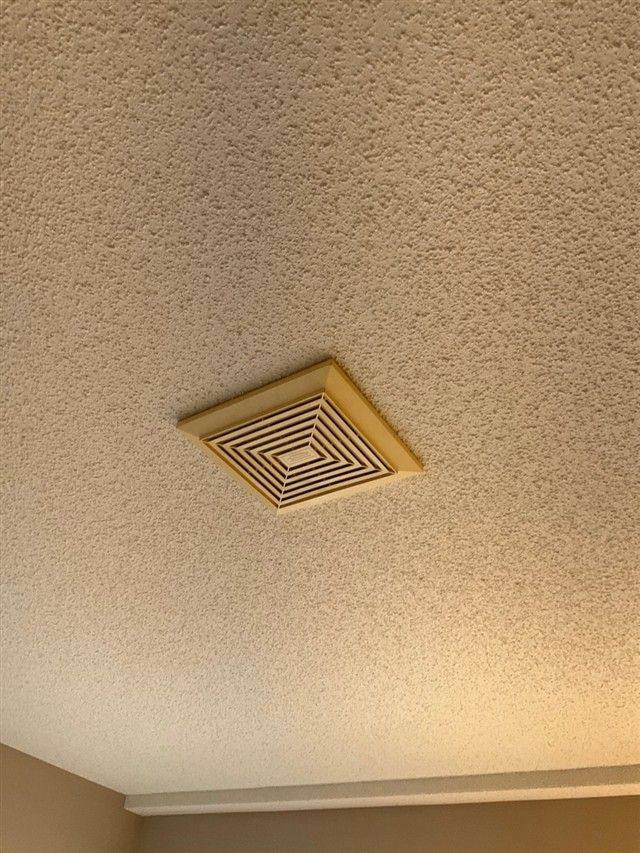
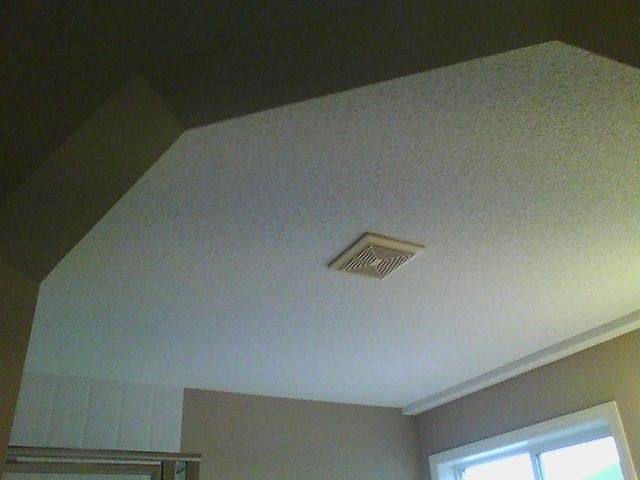
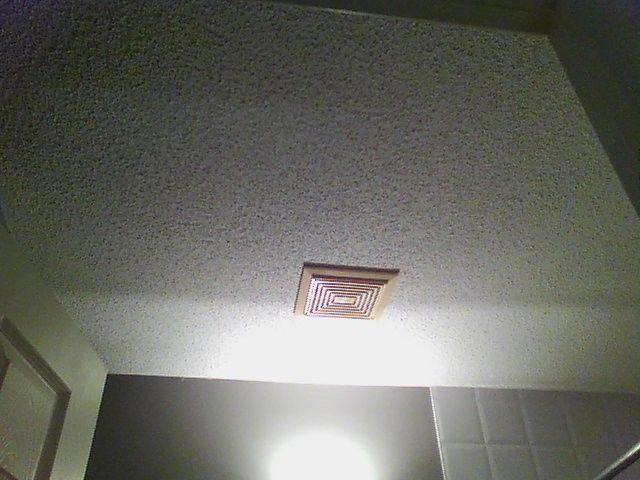
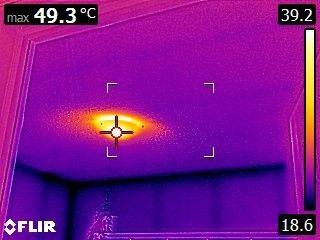
There is moisture staining around the bathroom exhaust fan. It was dry at the time of inspection. Recommend having a qualified contractor seal around the fan housing in the attic to prevent condensation issues.
9.1 Item 1(Picture)
9.9  Exhaust fan  
Inspected, Repair or Replace
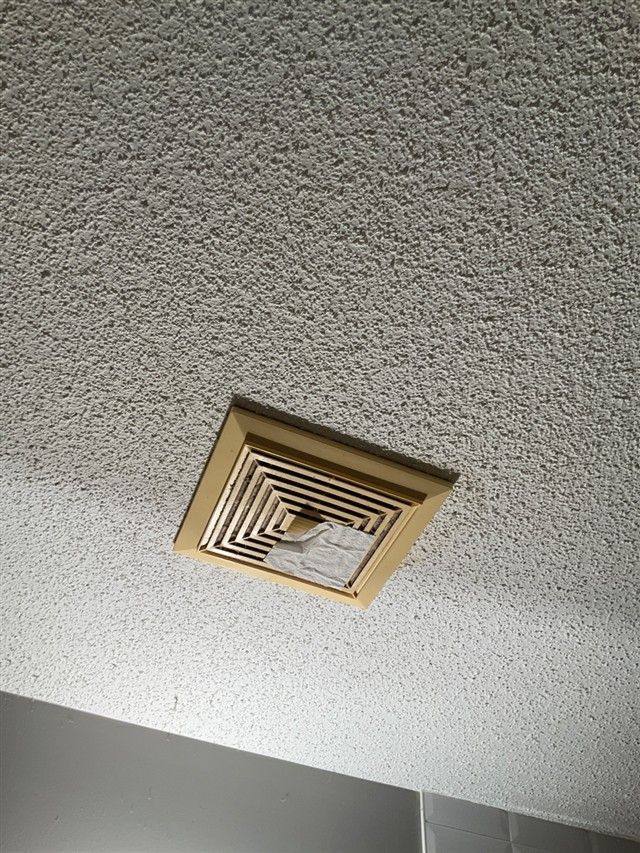
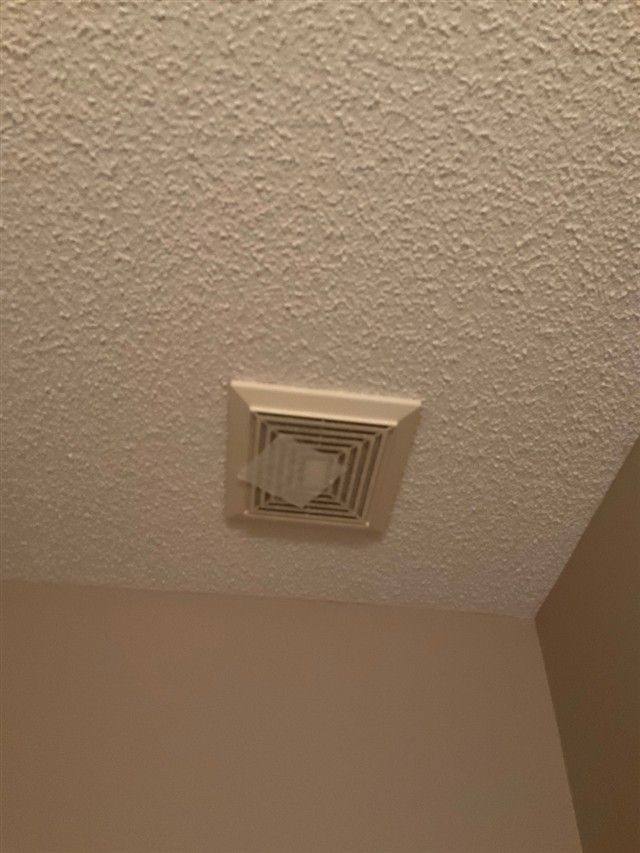
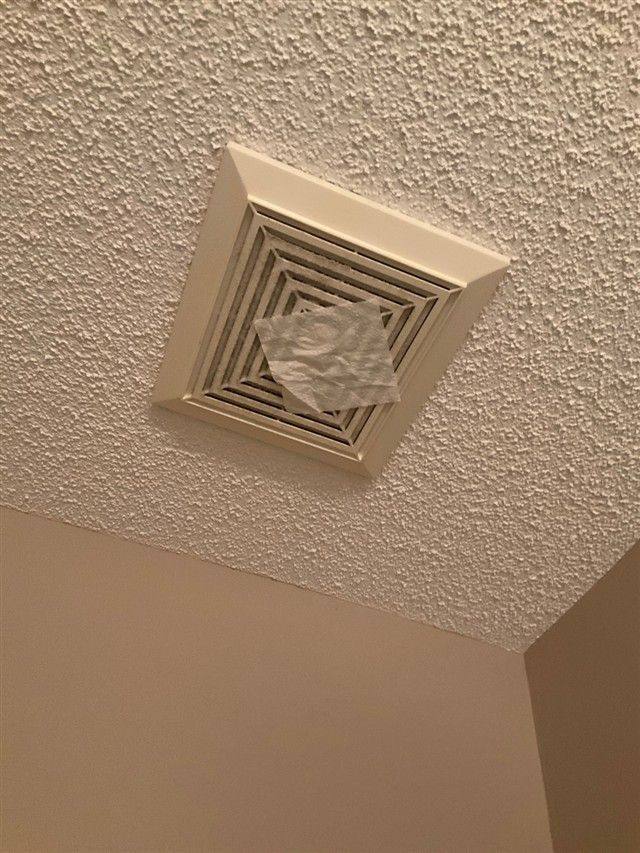
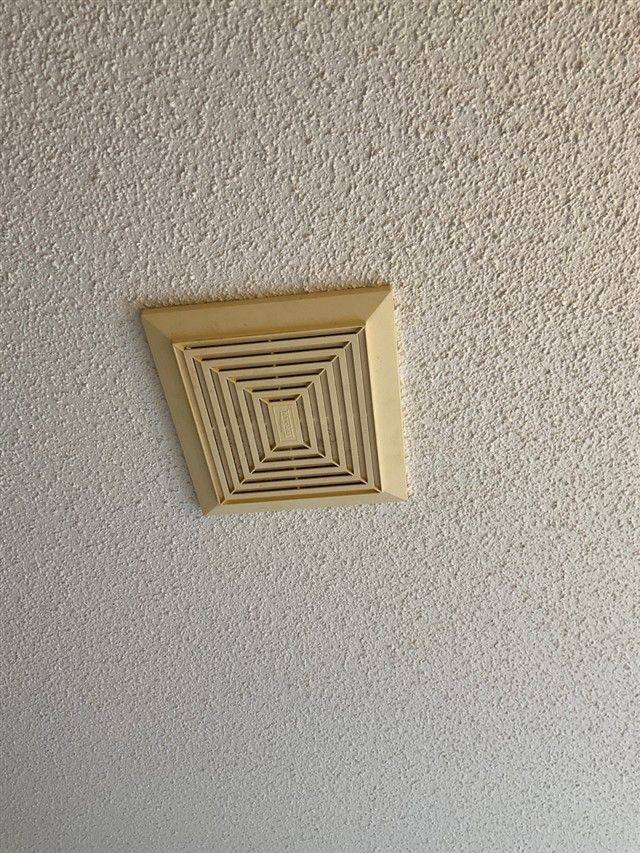
Most bathroom exhaust fans were operating in a serviceable condition. One of the bathroom exhaust fans had insufficient suction. Recommend cleaning or servicing/replacing the fan motor to ensure proper suction and avoid potential condensation issues. It is recommended that fans be run for 20-30 minutes after a bath or shower to help reduce excess humidity in bathrooms.
 
Maintenance Tip:
A good test you can perform occasionally is to hold up one square of toilet paper to ensure the fan's suction can hold it. If a fan does not hold the toilet paper, it usually needs cleaning, or the fan motor needs to be serviced or replaced.
9.9 Item 1(Picture)
9.9 Item 2(Picture)
9.9 Item 3(Picture)
9.9 Item 4(Picture)
9.9 Item 5(Picture)
9.10  Bathtub/Shower(s)  
Inspected, Repair or Replace
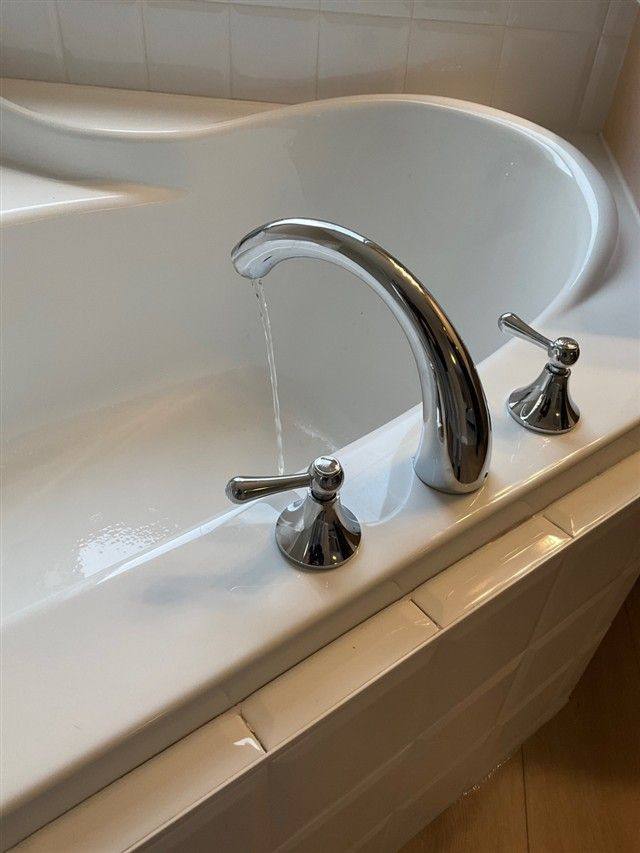
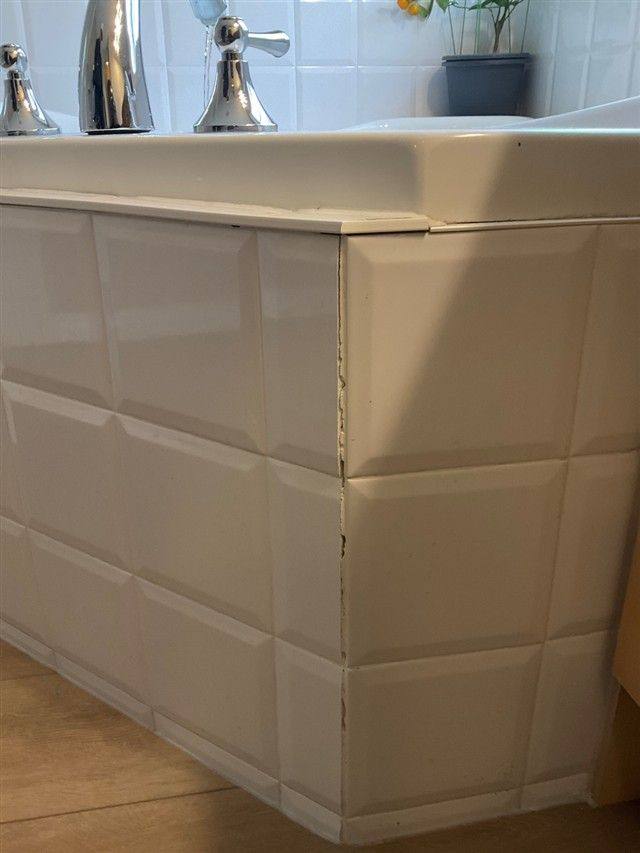
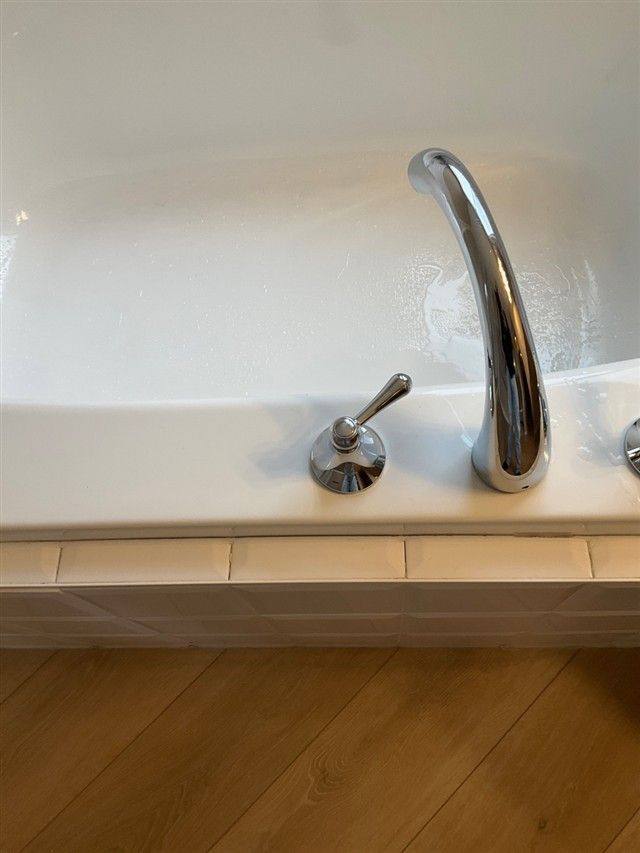
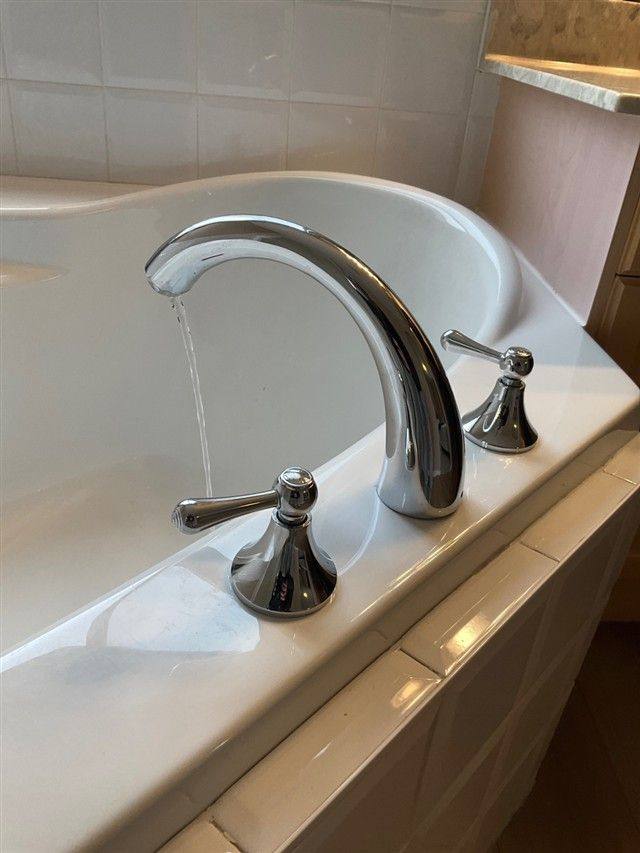
The cold water at the bathtub faucet had low pressure, and the temperature control valve did not shut off the water. The grout on top of the tub surround is deteriorating. Recommend having a journeyman plumber further assess and repair. This is a non-invasive inspection. The inspector cannot be responsible for any issues behind finished or tiled areas, as these areas are hidden from view. Only an invasive inspection could determine this.
Maintenance Tip:
Suggest caulking and sealing all tile edges of the shower walls as required to prevent moisture penetration. All missing or damaged grout should be replaced. Failure to keep walls sealed can cause deterioration and extensive moisture damage to the interior walls and surrounding subfloor.

9.10 Item 1(Picture)
9.10 Item 2(Picture)
9.10 Item 3(Picture)

10.  Electrical System
10.9  Smoke Detectors  
Inspected, Repair or Replace
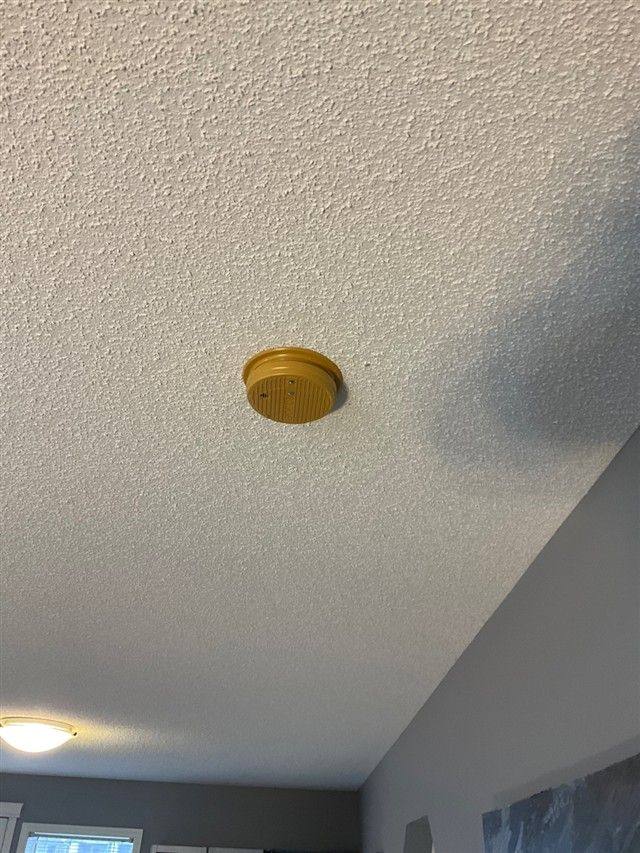
The smoke detector is aged. Recommend replacing it.

Periodic testing is suggested to ensure proper working order. These only last 10 years, even if they sound on testing. If age is unknown, replacement is recommended.
10.9 Item 1(Picture)
10.9 Item 2(Picture) Smoke Detectors

11.  Heating / Central Air Conditioning
11.2  Humidifier  
Inspected, Repair or Replace
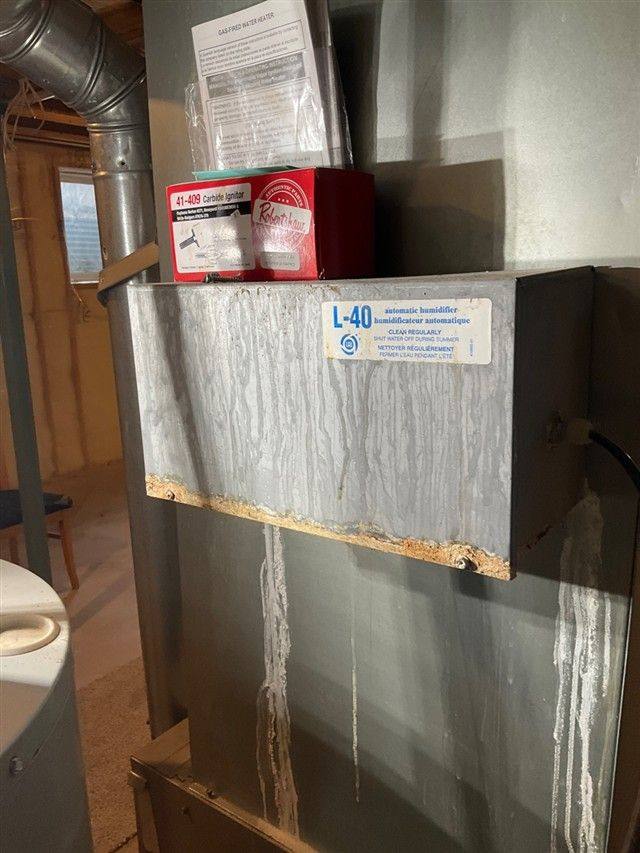
The humidifier is aged. Recommend a newer model. Humidifiers are only visually inspected as none of the components are removed during an inspection.
Maintenance Tip:
Humidifiers require annual service for proper operation.
11.2 Item 1(Picture)


Prepared Using HomeGauge http://www.HomeGauge.com : Licensed To Cody Carter
Top Table of Contents Bottom

1.  Roofing

Per the InterNACHI Standards of Practice, the inspector inspects the roof covering, gutters and downspouts, vents, flashing, skylights, chimney and other roof penetrations, and describes the type of roof covering. The roof may be viewed from the ground, a ladder at the eaves, by drone, or by walking it when safe; walking on the roof is not required. We do not give an estimation of life span.
Styles & Materials
Roof Covering:
Asphalt/Fiberglass
Architectural
Viewed roof covering from:
Drone
Sky Light(s):
None
Chimney (exterior):
Metal Flue Pipe
Roof Type:
Gable
 
Items
1.0 Roof Coverings
Comments: Inspected
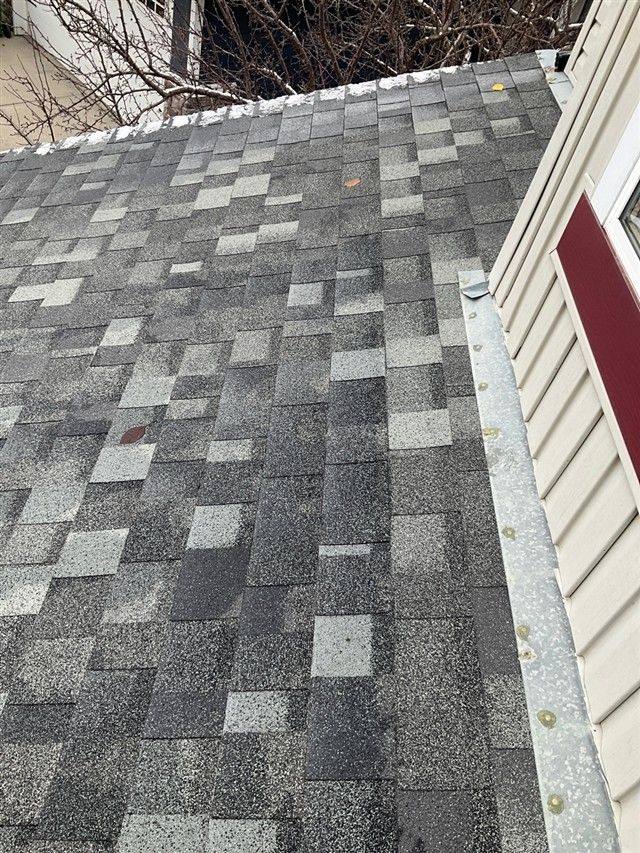
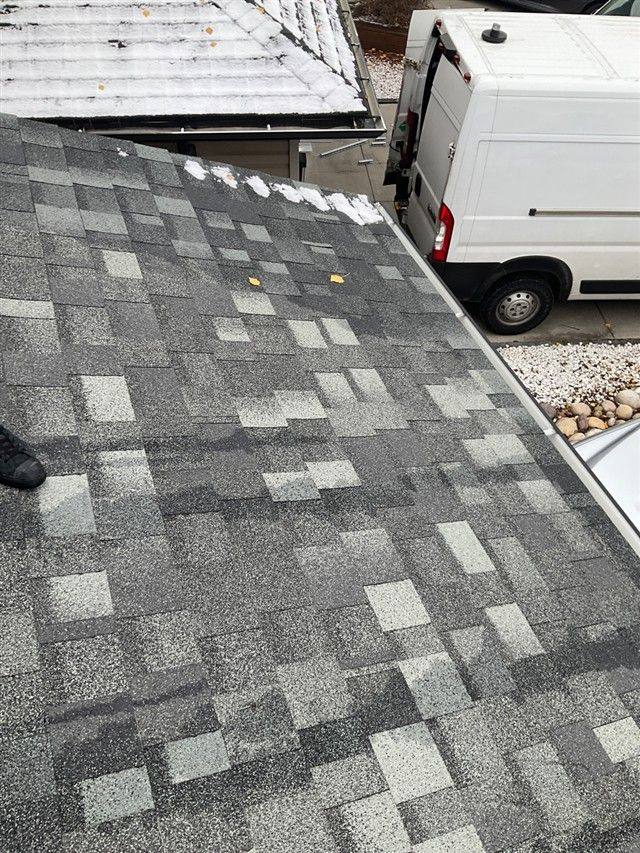
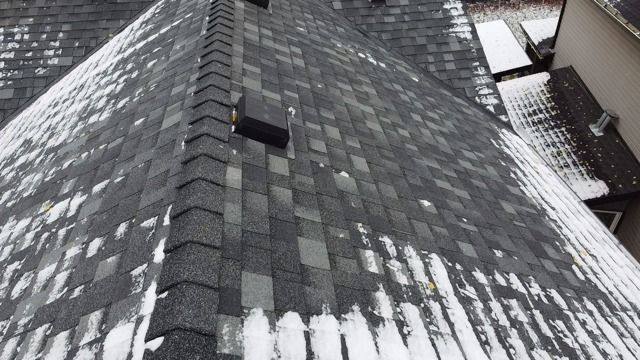
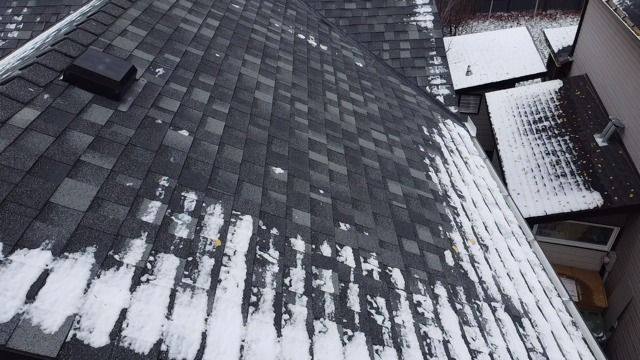
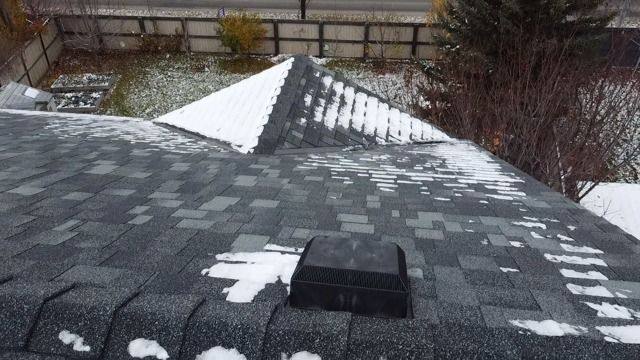
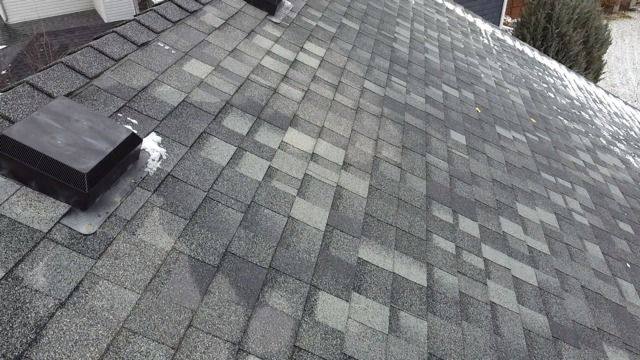
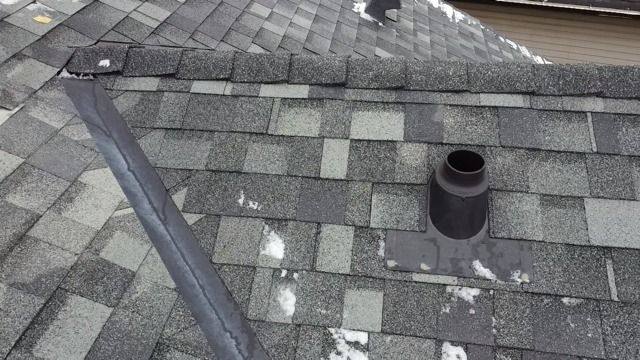
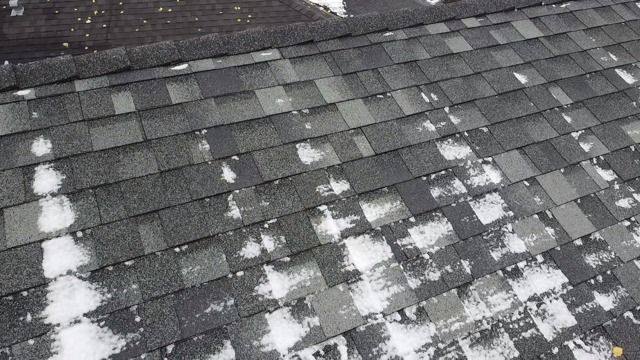
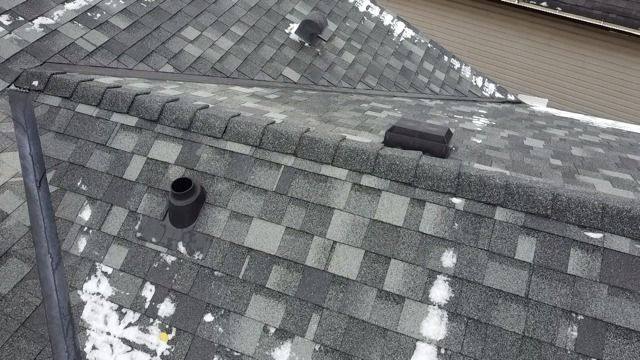
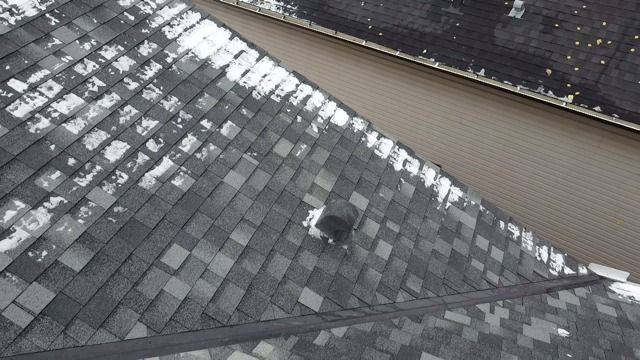
 The roof was limited to a visual inspection using a drone. No issues to report from what was seen.
1.0 Item 1(Picture)
1.0 Item 2(Picture)
1.0 Item 3(Picture)
1.0 Item 4(Picture)
1.0 Item 5(Picture)
1.0 Item 6(Picture)
1.0 Item 7(Picture)
1.0 Item 8(Picture)
1.0 Item 9(Picture)
1.0 Item 10(Picture)
1.0 Item 11(Picture)
1.0 Item 12(Picture)
1.1 Flashings
Comments: Inspected
 The flashing is fitted correctly and in serviceable condition where visible.
1.4 Roof Penetrations
Comments: Inspected
1.5 Roof Drainage Systems
Comments: Inspected
 The gutters appear intact. Due to the lack of recent rain, I am unable to determine whether the gutters leak at the seams or spill water.
The roof of the home was inspected and reported on with the above information. While the inspector makes every effort to find all areas of concern, some areas can go unnoticed. Roof coverings and skylights can appear to be leak proof during inspection and weather conditions. Our inspection makes an attempt to find a leak but sometimes cannot. Please be aware that the inspector has your best interest in mind. Any repair items mentioned in this report should be considered before purchase. It is recommended that qualified contractors be used in your further inspection or repair issues as it relates to the comments in this inspection report. We do not give an estimation of life span.
Top Table of Contents Bottom

2.  Attic

Per the InterNACHI Standards of Practice, the inspector inspects insulation and ventilation in unfinished spaces, including the attic, and the mechanical exhaust systems in the kitchen, bathrooms and laundry area, and describes the type of insulation and its approximate average depth. Insulation is not disturbed and R-values are not determined. Entering attics that are insulated can be dangerous. Attics with insulation cannot be safely inspected due to limited visibility of the framing members, upon which the inspector must walk. In such cases, the attic is only partially accessed, thereby limiting the review of the attic area from the hatch area only. Inspectors will not crawl/walk the attic area when they believe it is a danger to them or that they might damage the attic insulation or cause damage. Comments made on the attic are reflected on recent weather conditions, during long periods of dry spells leak are not visible, so are excluded from the responsibility of the home inspection. We can only comment on the conditions at the time of the home inspection.
Styles & Materials
Attic Insulation:
Blown
Ventilation:
Roof Vents
Soffit Vents
Method Used to Observe Attic:
From Attic hatch
Attic Info:
Attic Hatch
Approx. Average Insulation Depth:
6-10 in (15-25 cm)
 
Items
2.0 Attic
Comments: Inspected
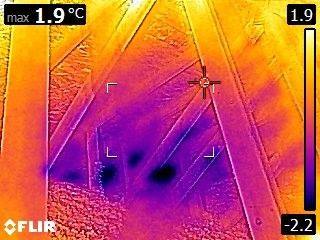
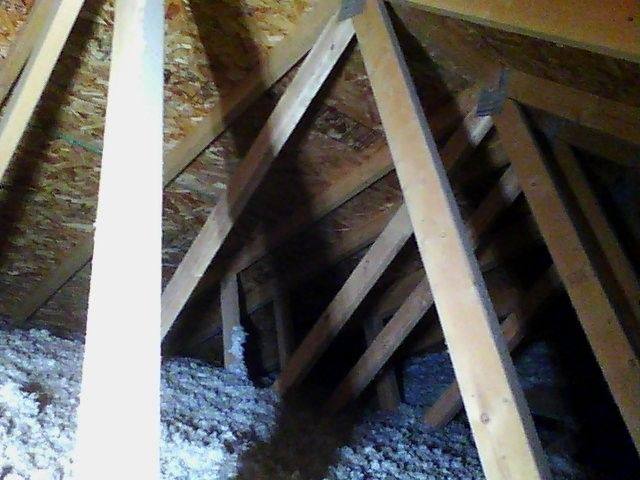
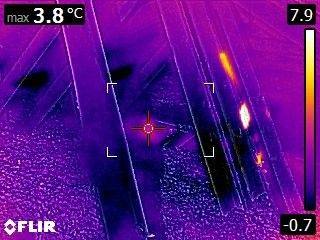
 The attic space was visually inspected from the ladder's edge using a flashlight and thermal scanner. It all appeared dry on the day of the inspection.

Maintenance Tips:
1. Recommend installing fresh weather stripping at the attic hatch annually to reduce the build-up of warm, moist air.

2. The attic should be reviewed at least twice per year to ensure ventilation openings are clear and mold growth is kept in check. While there may be little or no evidence of mold in the attic at the time of inspection, it can grow and spread rapidly if conditions allow. Mold can potentially be hazardous and will spread when moisture enters the attic cavity and is not vented to the exterior. Any area of suspected mold should be reviewed by a qualified contractor for analysis and removal.

3. Recommend monitoring the performance of the roof through regular attic reviews. Water intrusion can occur at any time after the inspection, and future performance is unknown. It is common to see staining around the attic hatch entrance and on the hatch itself. This happens in winter when warm air escapes through the hatch, meets cold attic air, and turns to condensation. Replacing the weather stripping can help. The sheathing can also be affected, and in extreme cases mold can start to form.
2.0 Item 1(Picture)
2.0 Item 2(Picture)
2.0 Item 3(Picture)
2.0 Item 4(Picture)
2.0 Item 5(Picture)
2.0 Item 6(Picture)
2.1 Attic Hatch
Comments: Inspected, Repair or Replace
 There was no weather stripping between the attic access and the attic hatch. I recommend installing fresh weather stripping at the attic hatch annually to reduce the build-up of warm, moist air.
2.1 Item 1(Picture)
2.2 Vapor Barrier
Comments: Inspected
2.3 Roof Structure
Comments: Inspected
2.4 Insulation
Comments: Inspected, Repair or Replace
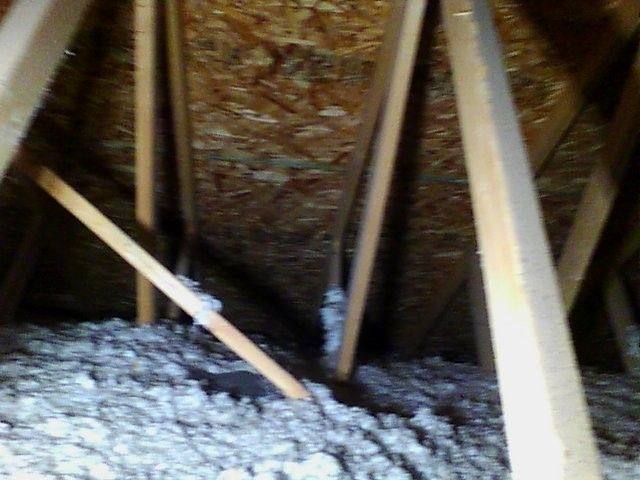
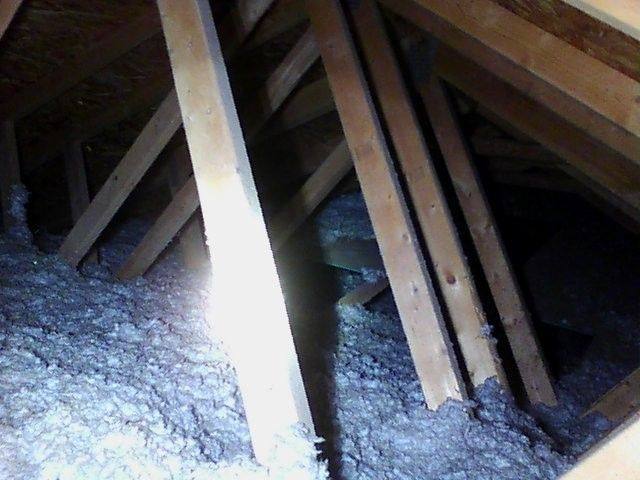
 The attic has an average amount of insulation for the year the home was built. More insulation can be added at any time.
2.4 Item 1(Picture)
2.5 Ventilation
Comments: Inspected
  For Educational Purposes:
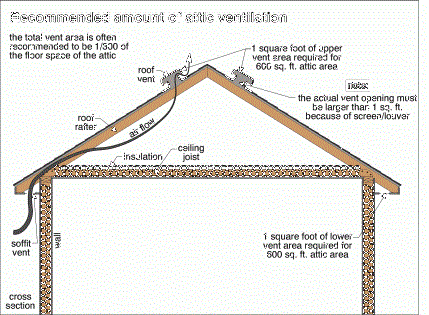
Proper ventilation in your attic or roof space is critical to the performance of your roofing material. It can affect the life cycle and cost of roofing material, house structure, home system venting, attic condensation, ice dams, ceiling leaks, insulation R-value, energy costs, the health of occupants, and much more.
2.5 Item 1(Picture) Attic Ventilation
2.6 Ventilation Fans and Thermostatic Controls in Attic
Comments: Inspected, Repair or Replace
 There is a moisture stain on the ceiling below this area, near the hallway bathroom door. Recommend having a contractor further investigate the bathroom fan vent line in the attic.
2.6 Item 1(Picture)
The attic structure, insulation and ventilation was inspected and reported on with the above information. While the inspector makes every effort to find all areas of concern, some areas can go unnoticed. Only visible areas can be inspected. Please be aware that the inspector has your best interest in mind. Any repair items mentioned in this report should be considered before purchase. It is recommended that qualified contractors be used in your further inspection or repair issues as it relates to the comments in this inspection report.
Top Table of Contents Bottom

3.  Exterior

Per the InterNACHI Standards of Practice, the inspector inspects the exterior wall coverings, flashing and trim; eaves, soffits and fascia; all exterior doors and a representative number of windows; walkways, driveways, stairs, porches, decks, balconies and railings; and vegetation, surface drainage, grading and retaining walls where they may affect the structure. The type of wall covering is described. Screens, fences, pools, septic systems and irrigation systems are not included.
Styles & Materials
Siding Style:
Tongue and Groove
Siding Material:
Vinyl
Exterior Entry Doors:
Steel
Appurtenance:
Deck
Patio
Driveway:
Concrete
 
Items
3.0 Exterior Foundation
Comments: Inspected
3.1 Wall Cladding Flashing and Trim
Comments: Inspected, Repair or Replace
 There is warped vinyl siding and hail damage at the front of the home. Recommend having a siding contractor further assess and repair. The J-channel connection piece on the vinyl siding above the garage was cut out. Recommend having a siding contractor further assess and repair. Higher levels of wall cladding around the home are only visually inspected from the ground level.
3.1 Item 1(Picture)
3.1 Item 2(Picture)
3.1 Item 3(Picture)
3.1 Item 4(Picture)
3.1 Item 5(Picture)
3.1 Item 6(Picture)
3.1 Item 7(Picture)
3.2 Doors (Exterior)
Comments: Inspected, Repair or Replace
 Deterioration was noted to the trim around the threshold of the patio door. This area was dry at the time of the inspection; recommend further monitoring in the future. The closing arm on the storm door at the front of the home is disconnected, and the casing around the front door is damaged. I recommend having a contractor further assess and repair.
3.2 Item 1(Picture)
3.2 Item 2(Picture)
3.2 Item 3(Picture)
3.3 Exterior Parging
Comments: Inspected
3.4 Windows/Frame
Comments: Inspected, Repair or Replace
 There should be at least 6 inches of space between the bottom of the window and the wash rock. This helps prevent water from pooling against the window, which could cause moisture intrusion into the home.
3.4 Item 1(Picture)
3.4 Item 2(Picture)
3.5 Gutters
Comments: Inspected
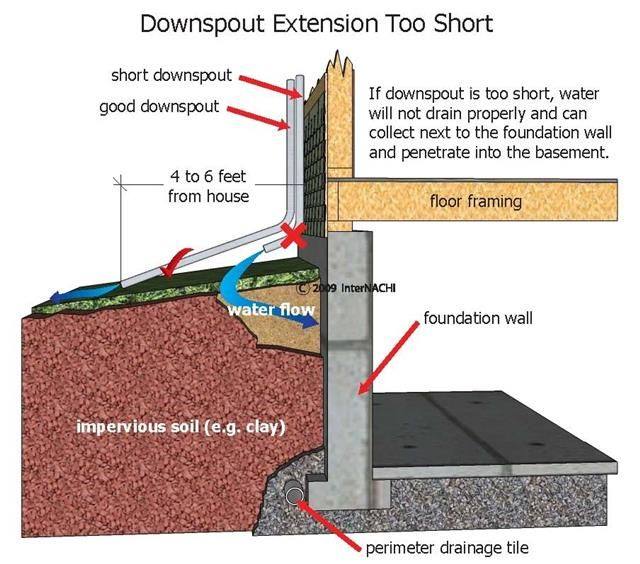
 Correct drainage around the structure is very important to protect the home. Neglecting correct drainage may result in future moisture issues in the home. Comments on current drainage are based on observable conditions at the time of the inspection only.
Maintenance Tip:
1. Suggest cleaning out the gutters as part of a normal maintenance routine to ensure proper drainage.
2. Recommend sealing gutter seams where required to prevent leaking and aid correct water flow and drainage.
3. Keep extension pipes down during wet periods. Leaving them up will result in water ponding at the foundation wall, possibly causing seepage.
4. Recommend adding extensions where needed to ensure proper drainage away from the foundation.
3.5 Item 1(Picture) Gutters
3.6 Furnace Vent/Intake
Comments: Inspected
3.7 Hot Water Tank Vent/Intake
Comments: Inspected
3.9 Fireplace vent
Comments: Inspected
3.10 Dryer Vent
Comments: Inspected, Repair or Replace
 The dryer vent is dirty. Recommend routinely cleaning the dryer vent so that the one-way door/flaps will properly close. This will also prevent birds/rodents from nesting inside.
3.10 Item 1(Picture)
3.11 Bathroom Vent
Comments: Inspected, Repair or Replace
 The flaps on the bathroom vent caps are broken. Recommend having a contractor replace them to prevent birds/rodents from nesting inside.
3.11 Item 1(Picture)
3.13 Range Hood Vent
Comments: Inspected
3.14 Lot Grading and Drainage
Comments: Inspected
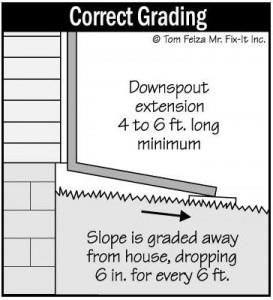
 While lot drainage and water handling systems may appear serviceable at the time of inspection, the inspector cannot accurately predict their performance, as conditions constantly change. Furthermore, issues such as leakage in downspout/gutter systems are very difficult to detect during dry weather. Inspection of foundation performance and water handling systems is limited to visible conditions and evidence of past problems only. The buyer is advised to ask for disclosure of any past drainage problems.
Maintenance Tip:
Periodically review the grading to ensure proper drainage, as landscaping changes over time. For correct drainage, the ground on all sides should slope away from the home. This helps prevent water from sitting at the foundation wall.
3.14 Item 1(Picture) Grading
3.15 Eaves, Soffits and Fascias
Comments: Inspected
3.16 Driveway
Comments: Inspected
3.17 Walkway
Comments: Inspected
3.18 Decks, Balconies, Stoops, Steps, Areaways, Porches, Patio/Cover and Applicable Railings
Comments: Inspected, Repair or Replace
 Improper fasteners were noted in the joist hangers; they are not rated for shear strength. One post is not centred in the footing; recommend monitoring for movement in the future. The middle post is not cut to a proper length, which does not allow proper weight distribution on the back deck. Recommend having a contractor add shims. The railings on the back porch are deteriorating. Recommend having a contractor replace them.
3.18 Item 1(Picture)
3.18 Item 2(Picture)
3.18 Item 3(Picture)
3.18 Item 4(Picture)
3.19 Fence
Comments: Inspected
 The fence is sturdy and appears in good condition.

Maintenance Tip:
Re-sealing exterior wood prolongs its lifespan.
3.20 Exterior Faucets
Comments: Not Inspected
3.21 Retaining Wall(s)
Comments: Inspected
3.22 Exterior Electrical
Comments: Inspected
 GFCI receptacles are in place and operational. (For more information on GFCI's see Electrical Components section below)
3.23 Vegetation
Comments: Inspected, Repair or Replace
 A tree branch is leaning against the exterior of the home. I recommend trimming the tree back and maintaining it routinely to avoid damage to the building exterior.
3.23 Item 1(Picture)
3.24 Sump Pump Drain
Comments: Not Inspected
The exterior of the home was inspected and reported on with the above information. While the inspector makes every effort to find all areas of concern, some areas can go unnoticed. Please be aware that the inspector has your best interest in mind. Any repair items mentioned in this report should be considered before purchase. It is recommended that qualified contractors be used in your further inspection or repair issues as it relates to the comments in this inspection report.
Top Table of Contents Bottom

4.  Garage

Styles & Materials
Garage Door Type:
Two automatic
Garage Door Material:
Fiberglass
Metal
Auto-opener Manufacturer:
LIFT-MASTER
Items
4.0 Garage Roof
Comments: Inspected
4.1 Garage Attic
Comments: Inspected
4.2 Garage attic Hatch
Comments: Inspected
4.3 Garage Attic Insulation
Comments: Inspected, Repair or Replace
 Recommend improving the insulation below the bonus room on the upper floor with closed-cell spray foam. Recommend having a contractor further assess.
4.3 Item 1(Picture)
4.4 Garage Cladding, Flashing and Trim
Comments: Inspected, Repair or Replace
 There appears to be past moisture intrusion in one area in the ceiling of the garage. This is potentially due to a damaged J-channel allowing moisture to penetrate beneath the vinyl siding. Recommend having a contractor further assess and repair.
4.4 Item 1(Picture)
4.4 Item 2(Picture)
4.5 Garage Ceilings
Comments: Inspected
 The garage ceiling was dry and in good condition at the time of the inspection.
4.6 Garage Walls (including Firewall Separation)
Comments: Inspected
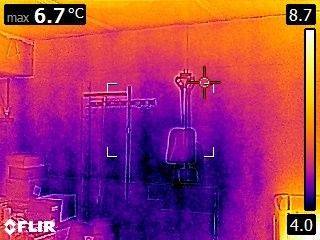
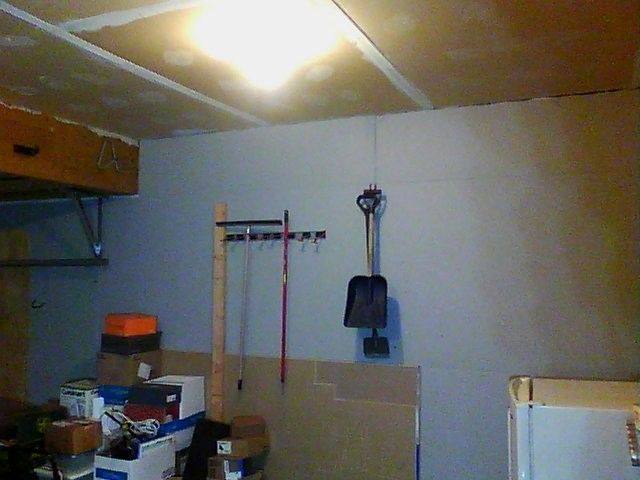
 The walls were dry and in good condition, with no holes or damage of note at the time of inspection. If damage occurs in the future, recommend repairing it.
4.6 Item 1(Picture)
4.6 Item 2(Picture)
4.6 Item 3(Picture)
4.6 Item 4(Picture)
4.6 Item 5(Picture)
4.6 Item 6(Picture)
4.9 Garage Electrical
Comments: Inspected
4.10 Garage Floor
Comments: Inspected
4.11 Garage Stairs
Comments: Inspected
4.12 Garage Door (s)
Comments: Inspected, Repair or Replace
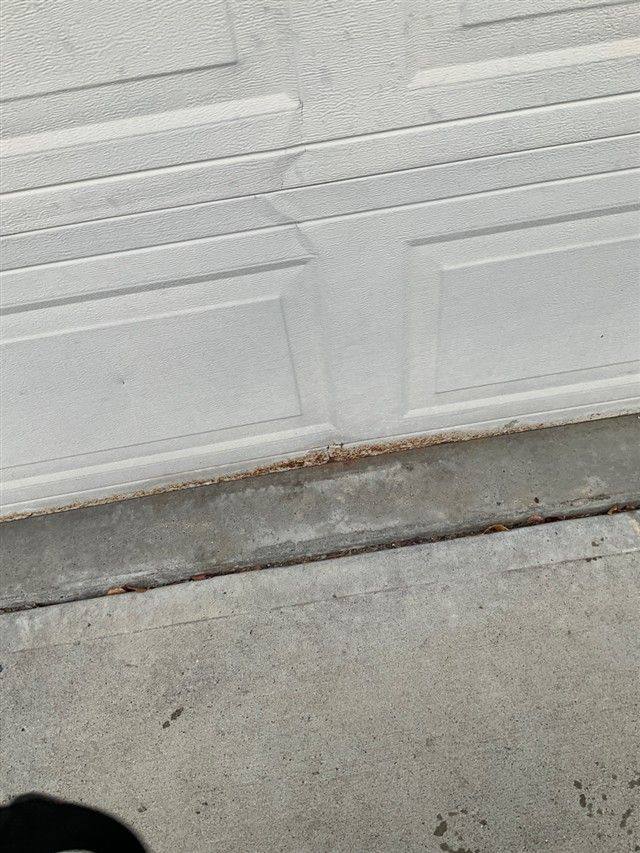
 Rust was noted on the bottom panel of the garage door. Recommend sealing the rust to help preserve the panel. Adding weather stripping can also help. Recommend further monitoring.

The weather stripping and trim on the garage door are damaged. Recommend replacing them.

4.12 Item 1(Picture)
4.12 Item 2(Picture)
4.12 Item 3(Picture)
4.12 Item 4(Picture)
4.13 Occupant Door (from garage to inside of home)
Comments: Inspected
4.14 Garage Door Operators (Report whether or not doors will reverse when met with resistance)
Comments: Inspected
Top Table of Contents Bottom

5.  Interiors

Per the InterNACHI Standards of Practice, the inspector inspects a representative number of doors and windows by opening and closing them, and the floors, walls, ceilings, stairs, steps, landings and railings. Paint, wallpaper, window treatments and floor coverings are cosmetic and are not part of the inspection.
Styles & Materials
Ceiling Materials:
Gypsum Board
Wall Material:
Gypsum Board
Floor Covering(s):
Carpet
Interior Doors:
Wood
Window Types:
Thermal/Insulated
Double-hung
Single-hung
Sliders
Cabinetry:
Wood
Items
5.0 Ceilings
Comments: Inspected, Repair or Replace
 A moisture stain was noted on the ceiling on the upper floor, most likely from past attic rain. Recommend getting further information from the sellers. There is also a patch job on the ceiling of the mudroom. This area was dry at the time of the inspection. Recommend getting further information from the sellers on any past repairs. (Cosmetic issues are not part of the inspection)
5.0 Item 1(Picture)
5.0 Item 2(Picture)
5.1 Walls
Comments: Inspected
 All walls were dry and in good condition at the time of the inspection. (Cosmetic issues are not part of the inspection)
5.1 Item 1(Picture)
5.1 Item 2(Picture)
5.1 Item 3(Picture)
5.1 Item 4(Picture)
5.1 Item 5(Picture)
5.1 Item 6(Picture)
5.1 Item 7(Picture)
5.1 Item 8(Picture)
5.1 Item 9(Picture)
5.1 Item 10(Picture)
5.1 Item 11(Picture)
5.1 Item 12(Picture)
5.1 Item 13(Picture)
5.1 Item 14(Picture)
5.1 Item 15(Picture)
5.1 Item 16(Picture)
5.1 Item 17(Picture)
5.1 Item 18(Picture)
5.1 Item 19(Picture)
5.1 Item 20(Picture)
5.1 Item 21(Picture)
5.1 Item 22(Picture)
5.1 Item 23(Picture)
5.1 Item 24(Picture)
5.1 Item 25(Picture)
5.1 Item 26(Picture)
5.1 Item 27(Picture)
5.1 Item 28(Picture)
5.1 Item 29(Picture)
5.1 Item 30(Picture)
5.1 Item 31(Picture)
5.1 Item 32(Picture)
5.1 Item 33(Picture)
5.1 Item 34(Picture)
5.1 Item 35(Picture)
5.1 Item 36(Picture)
5.1 Item 37(Picture)
5.1 Item 38(Picture)
5.1 Item 39(Picture)
5.1 Item 40(Picture)
5.1 Item 41(Picture)
5.1 Item 42(Picture)
5.2 Floors
Comments: Inspected
5.3 Steps, Stairways, Balconies and Railings
Comments: Inspected
5.4 Doors
Comments: Inspected
 All doors were tested and worked as required.
5.5 Windows
Comments: Inspected
 All accessible windows in the home were tested and in good working order during the inspection.
Maintenance Tip:
In colder seasons, frost can build up along windows due to poor air flow. Opening curtains and blinds often allows proper air flow and helps minimize frost build-up.
The interior of the home was inspected and reported on with the above information. While the inspector makes every effort to find all areas of concern, some areas can go unnoticed. The inspection did not involve moving furniture and inspecting behind furniture, area rugs or areas obstructed from view. Please be aware that the inspector has your best interest in mind. Any repair items mentioned in this report should be considered before purchase. It is recommended that qualified contractors be used in your further inspection or repair issues as it relates to the comments in this inspection report.
Top Table of Contents Bottom

6.  Kitchen Appliances and Components

Appliances are not required by the InterNACHI Standards of Practice. As an added service, we operate permanently installed kitchen appliances through their normal functions where possible; clocks, timers, self-cleaning functions and thermostat calibration are not tested. Buyer is advised that no warranty is offered on any appliance, they are subject to failure at any time.
Styles & Materials
Cabinetry:
Wood
Countertop:
Laminate
Floor Covering(s):
Vinyl
Dishwasher Brand:
LG
Disposer Brand:
NONE
Exhaust/Range hood:
BROAN
Range/Oven:
FRIGIDAIRE
Built in Microwave:
NONE
Refrigerator:
FRIGIDAIRE
Items
6.0 Counters and Cabinets
Comments: Inspected
 The cabinets and countertops were secure. All doors and drawers were tested for damage or problems.
6.1 Plumbing Drain, Waste And Vent Systems
Comments: Inspected
 The kitchen plumbing was tested during the inspection and found to be dry with no current signs of leaks. Ongoing monitoring is recommended.
6.1 Item 1(Picture)
6.1 Item 2(Picture)
6.2 Plumbing Water Supply, Distribution Systems and fixtures
Comments: Inspected
 The kitchen plumbing was tested during the inspection and found to be dry with no current signs of leaks. Ongoing monitoring is recommended.
6.3 Sink(s)
Comments: Inspected
6.4 Dishwasher
Comments: Inspected, Repair or Replace
 Minor damage was noted to the trim of the dishwasher. This did not hinder the function of the appliance. The dishwasher was tested on a regular cycle and was working well on the day of the inspection, with no leaks. No warranties or guarantees are given on any appliances in the home.
6.4 Item 1(Picture)
6.4 Item 2(Picture)
6.4 Item 3(Picture)
6.4 Item 4(Picture)
6.4 Item 5(Picture)
6.4 Item 6(Picture)
6.4 Item 7(Picture)
6.4 Item 8(Picture)
6.4 Item 9(Picture)
6.5 Ranges/Ovens/Cooktops
Comments: Inspected, Repair or Replace
 The stove elements were tested at the time of the inspection. The top left element did not work. Recommend having an appliance technician further assess and repair as needed. No warranties or guarantees are given on any appliances in the home.
6.5 Item 1(Picture)
6.5 Item 2(Picture)
6.5 Item 3(Picture)
6.5 Item 4(Picture)
6.5 Item 5(Picture)
6.5 Item 6(Picture)
6.5 Item 7(Picture)
6.5 Item 8(Picture)
6.5 Item 9(Picture)
6.6 Range Hood (s)
Comments: Inspected
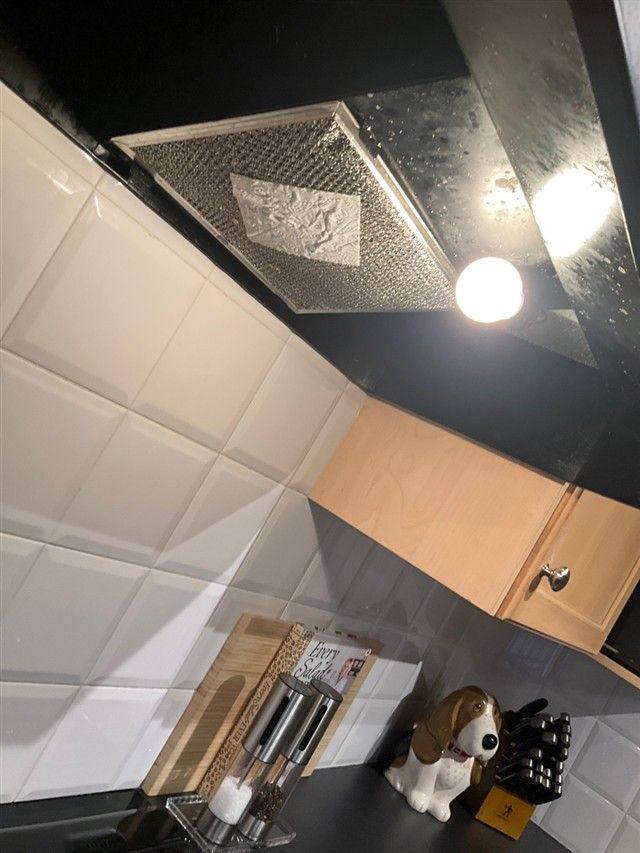
 The range hood worked as required at the time of the inspection. No warranties or guarantees are given on any appliances in the home.
Maintenance Tip:
Recommend cleaning the filter regularly.
6.6 Item 1(Picture)
6.8 Garburator
Comments: Inspected
6.9 Microwave
Comments: Inspected
 The microwave was tested using normal operating controls and appeared to be serviceable at the time of the inspection. No warranties or guarantees are given on any appliances in the home.
6.10 Refrigerator
Comments: Inspected
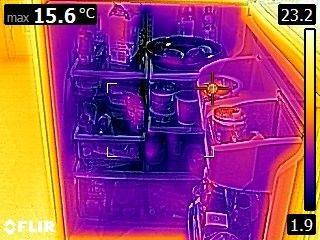
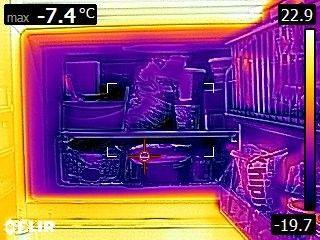
 Our inspection of this item is purely to see if the internal walls are cold. Please note we do not use any special equipment to test these items. Also we DO NOT test water hook ups, water dispensers or ice makers connected to the refrigerators. No warranties or guarantees are given on any appliances in the home.
6.10 Item 1(Picture)
6.10 Item 2(Picture)
6.10 Item 3(Picture)
6.10 Item 4(Picture)
6.11 Operation of GFCI (Ground Fault Circuit Interrupters)
Comments: Inspected, Repair or Replace
 GFCIs are not in place near water sources. Recommend having a journeyman electrician install GFCIs within 1.5 m (5 ft) of the kitchen sink. (For more information on GFCIs, see the Electrical System section.)
6.11 Item 1(Picture)
The built-in appliances of the home were inspected and reported on with the above information. While the inspector makes every effort to find all areas of concern, some areas can go unnoticed. Please be aware that the inspector has your best interest in mind. Any repair items mentioned in this report should be considered before purchase. It is recommended that qualified contractors be used in your further inspection or repair issues as it relates to the comments in this inspection report.
Top Table of Contents Bottom

7.  Basement

Inspection of the basement/crawlspace is limited to a visual review of conditions at time of inspection only. Inspections may be limited due to storage of personal property. Weather conditions, storage of personal property, changing foundation, wall conditions, wall finishes, etc. all contribute to inconclusive predictions of foundation performance. While there may not be visible evidence of water intrusion at time of inspection, the inspector CANNOT warranty this or any basement against water entry. Please note it is not the inspectors responsibility to confirm/check for permits for renovation/changes in the home.  The presence of mold in concealed areas of the home does NOT fall within the scope of Home Inspection as it is not visibly accessible. If buyer has concerns about mold due to allergies, or suspects the presence of mold, he/she is advised to consult with a qualified mold inspector or contractor to agree to carry out a more invasive investigation. Air quality testing is a great option to further investigate for mold in concealed areas.
Styles & Materials
Foundation:
Poured concrete
Method used to observe Crawlspace:
No crawlspace
Insulation:
Fiberglass
Floor Covering(s):
Unfinished
   
Items
7.0 Foundation
Comments: Inspected
7.1 Walls
Comments: Inspected
 All accessible walls were in good condition and dry at the time of the inspection. (Cosmetic issues are not part of the inspection)
7.1 Item 1(Picture)
7.1 Item 2(Picture)
7.1 Item 3(Picture)
7.1 Item 4(Picture)
7.1 Item 5(Picture)
7.1 Item 6(Picture)
7.1 Item 7(Picture)
7.1 Item 8(Picture)
7.2 Doors
Comments: Inspected
 All doors were tested and worked as required.
7.3 Floors
Comments: Inspected
7.4 Ceiling
Comments: Inspected
7.5 Windows
Comments: Inspected
 All accessible windows in the home were tested and in good working order during the inspection.
Maintenance Tip:
In colder seasons, frost can build up along windows due to poor air flow. Opening curtains and blinds often allows proper air flow and helps minimize frost build-up.
7.6 Columns or Piers
Comments: Inspected
 Never remove support posts without seeking advice from a structural engineer.
7.7 Vapor Barrier
Comments: Inspected, Repair or Replace
 The vapor barrier needs to be re-sealed to help prevent warm interior air from coming into contact with cold exterior air. If left unfixed, this could potentially lead to condensation issues. A tube of acoustical sealant can be bought at any home renovation store to re-seal the poly to the concrete.
7.7 Item 1(Picture)
7.8 Insulation
Comments: Inspected
7.9 Joists and Beams Condition
Comments: Inspected
 For Educational Purposes:
Floor joists are an important part of a floor's supporting structure. They hold up the weight of a building, absorb impacts on the floor, and provide structural support so the floor is stable and secure. Suggest consulting a professional before making any modifications.
The basement, crawlspace or foundation of the home was inspected and reported on with the above information. While the inspector makes every effort to find all areas of concern, some areas can go unnoticed. The inspection did not involve moving furniture and inspecting behind furniture, area rugs or areas obstructed from view. Please be aware that the inspector has your best interest in mind. Any repair items mentioned in this report should be considered before purchase. It is recommended that qualified contractors be used in your further inspection or repair issues as it relates to the comments in this inspection report.
Top Table of Contents Bottom

8.  Plumbing System

Per the InterNACHI Standards of Practice, the inspector inspects the main water and fuel shut-off valves, the water heater (including its energy source, venting and temperature/pressure relief valve), the interior water supply, drain, waste and vent piping, fixtures and faucets by running water, toilets by flushing, and accessible sump pumps, and describes the water supply source and the location of the main water and fuel shut-off valves.
Styles & Materials
Water Source:
Public
Water Filters:
None
(We do not inspect filtration systems)
Plumbing Water Supply (into home):
Pex
Plumbing Water Distribution (inside home):
PEX
Washer Drain Size:
Not visible
Plumbing Waste:
ABS
Water Heater Power Source:
Gas (quick recovery)
Water Heater Capacity:
40 Gallon (1-2 people)
Water Heater Location:
Basement
Manufacturer:
BRADFORD-WHITE
   
Items
8.0 Plumbing Drain, Waste and Vent Systems
Comments: Inspected, Repair or Replace
 There was a leak noted at the plumbing stack. To avoid future water damage, recommend having a journeyman plumber further assess and repair.
8.0 Item 1(Picture)
8.0 Item 2(Picture)
8.0 Item 3(Picture)
8.0 Item 4(Picture)
8.0 Item 5(Picture)
8.1 Plumbing Water Supply, Distribution System and Fixtures
Comments: Inspected
 The plumbing was tested during the inspection and found to be dry with no current signs of leaks. Ongoing monitoring is recommended.
8.2 Hot Water Systems, Controls, Chimneys, Flues and Vents
Comments: Inspected
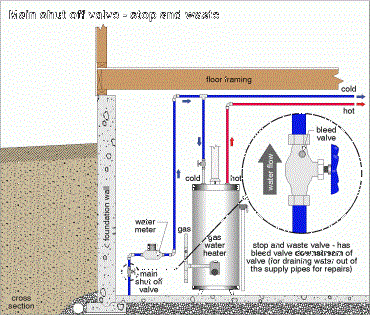
8.3 Main Water Shut-off
Comments: Inspected
 The main water shut-off is marked with a tag and is located with the utilities. There were no leaks at the time of the inspection. Ongoing monitoring of all plumbing is suggested.

Maintenance Tip:
Main shut-off valves are operated infrequently, so it is not unusual for them to become inoperable over time. They often leak or break when operated after a period of inactivity. We suggest caution when operating shut-offs that have not been turned for a long time. All shut-off valves and angle stops should be turned regularly to ensure free movement in case of an emergency.
8.3 Item 1(Picture)
8.3 Item 2(Picture) Main Water Shut Off
8.4 Fuel Storage and Distribution Systems (Interior fuel storage, piping, venting, supports, leaks)
Comments: Inspected
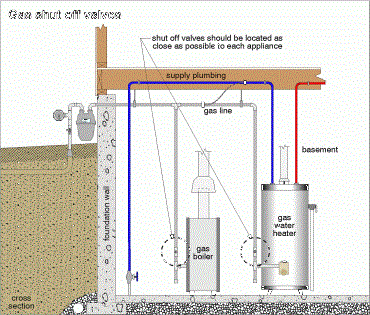
8.5 Main Gas Shut-off
Comments: Inspected
 The main gas shut-off is located beside the gas meter on the side of the house.
8.5 Item 1(Picture)
8.5 Item 2(Picture) Main Gas Shut Off
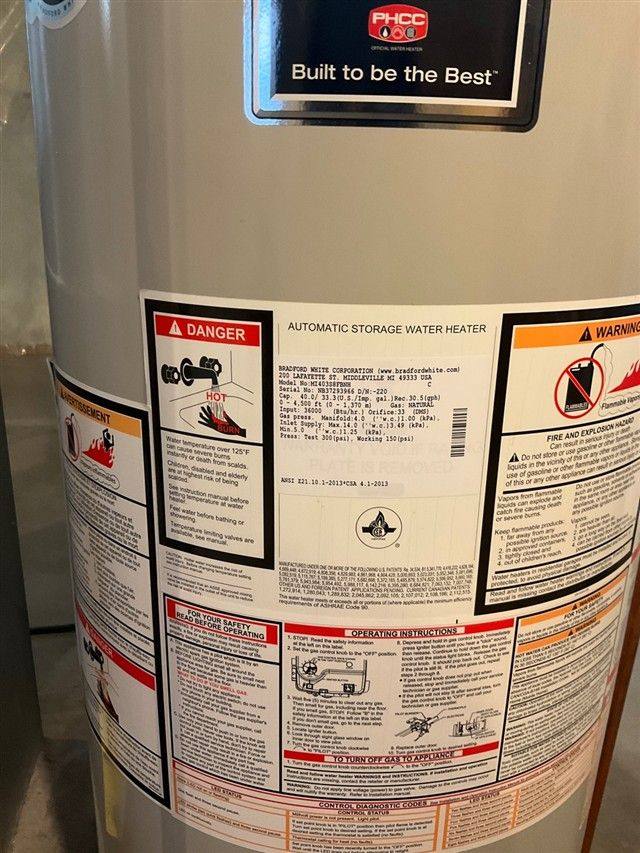
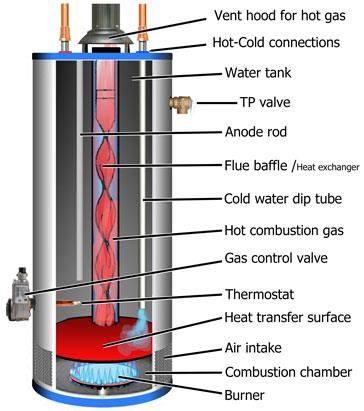
8.6 Hot Water Tank
Comments: Inspected
 The hot water tank was serviceable at the time of the inspection. No warranties can be offered on this or any other appliance. Average life expectancy is about 10-12 years, though it can fail at any time.

Warning: Keep children away from the water heater. If disturbed, the high pressure release valve can cause scalding.

8.6 Item 1(Picture)
8.6 Item 2(Picture) Hot Water Tank
The plumbing in the home was inspected and reported on with the above information. While the inspector makes every effort to find all areas of concern, some areas can go unnoticed. Washing machine drain line for example cannot be checked for leaks or the ability to handle the volume during drain cycle. Older homes with galvanized supply lines or cast iron drain lines can be obstructed and barely working during an inspection but then fails under heavy use. If the water is turned off or not used for periods of time (like a vacant home waiting for closing) rust or deposits within the pipes can further clog the piping system. Please be aware that the inspector has your best interest in mind. Any repair items mentioned in this report should be considered before purchase. It is recommended that qualified contractors be used in your further inspection or repair issues as it relates to the comments in this inspection report.
Top Table of Contents Bottom

9.  Bathroom and Components

The home inspector shall observe function of bathroom components, along with a thermal scan for hidden leaks. The inspector cannot be held responsible for future leaks. The home inspection is non-invasive. Moisture cannot be detected behind tiles and other surfaces in wet areas.
Styles & Materials
Exhaust Fans:
Fan only
Floor Covering(s):
Vinyl
Cabinetry:
Wood
Countertop:
Quartz
   
Items
9.0 Walls
Comments: Inspected
 All bathroom walls were in good condition and dry at the time of inspection. (Cosmetic issues are not part of the inspection)
9.1 Ceilings
Comments: Inspected, Repair or Replace
 There is moisture staining around the bathroom exhaust fan. It was dry at the time of inspection. Recommend having a qualified contractor seal around the fan housing in the attic to prevent condensation issues.
9.1 Item 1(Picture)
9.2 Floors
Comments: Inspected
9.3 Counters and Cabinets
Comments: Inspected
 Cabinets and countertops were secure. All doors and drawers were tested for damage or problems.
9.4 Doors
Comments: Inspected
 All doors were tested and worked as required.
9.5 Windows
Comments: Inspected
 All accessible windows in the home were tested and in good working order during the inspection.
Maintenance Tip:
In colder seasons, frost can build up along windows due to poor air flow. Opening curtains and blinds often allows proper air flow and helps minimize frost build-up.
9.6 Plumbing Drain, Waste and Vent Systems
Comments: Inspected
(1)  The bathroom plumbing was tested during the inspection and was dry with no current signs of leaks. Ongoing monitoring is recommended.
9.6 Item 1(Picture)
9.6 Item 2(Picture)
9.6 Item 3(Picture)
9.6 Item 4(Picture)
9.6 Item 5(Picture)
9.6 Item 6(Picture)
(2)  The bathroom plumbing was tested during the inspection and was dry with no current signs of leaks. Ongoing monitoring is recommended.
9.7 Plumbing Water Supply, Distribution Systems and Fixtures
Comments: Inspected
 The bathroom plumbing was tested during the inspection and was dry with no current signs of leaks. Ongoing monitoring is recommended.
9.7 Item 1(Picture)
9.8 Outlets Switches and Fixtures
Comments: Inspected
9.9 Exhaust fan
Comments: Inspected, Repair or Replace
 Most bathroom exhaust fans were operating in a serviceable condition. One of the bathroom exhaust fans had insufficient suction. Recommend cleaning or servicing/replacing the fan motor to ensure proper suction and avoid potential condensation issues. It is recommended that fans be run for 20-30 minutes after a bath or shower to help reduce excess humidity in bathrooms.
 
Maintenance Tip:
A good test you can perform occasionally is to hold up one square of toilet paper to ensure the fan's suction can hold it. If a fan does not hold the toilet paper, it usually needs cleaning, or the fan motor needs to be serviced or replaced.
9.9 Item 1(Picture)
9.9 Item 2(Picture)
9.9 Item 3(Picture)
9.9 Item 4(Picture)
9.9 Item 5(Picture)
9.10 Bathtub/Shower(s)
Comments: Inspected, Repair or Replace
 The cold water at the bathtub faucet had low pressure, and the temperature control valve did not shut off the water. The grout on top of the tub surround is deteriorating. Recommend having a journeyman plumber further assess and repair. This is a non-invasive inspection. The inspector cannot be responsible for any issues behind finished or tiled areas, as these areas are hidden from view. Only an invasive inspection could determine this.
Maintenance Tip:
Suggest caulking and sealing all tile edges of the shower walls as required to prevent moisture penetration. All missing or damaged grout should be replaced. Failure to keep walls sealed can cause deterioration and extensive moisture damage to the interior walls and surrounding subfloor.
9.10 Item 1(Picture)
9.10 Item 2(Picture)
9.10 Item 3(Picture)
9.11 Sink(s)
Comments: Inspected
9.12 Toilet(s)
Comments: Inspected
9.13 Operation of GFCI (Ground Fault Circuit Interrupters)
Comments: Inspected
 GFCIs are in place near water sources and were tested using an outlet and GFCI tester. No issues to report. (For more information on GFCIs, see the Electrical System section.)
Please be aware that the inspector has your best interest in mind. Any repair items mentioned in this report should be considered before purchase. It is recommended that qualified contractors be used in your further inspection or repair issues as it relates to the comments in this inspection report.
Top Table of Contents Bottom

10.  Electrical System

Per the InterNACHI Standards of Practice, the inspector inspects the service drop, service entrance conductors, mast and meter, main service disconnect, panels and breakers, grounding and bonding, a representative number of switches, light fixtures and receptacles, AFCI devices using their test buttons and GFCI devices using a GFCI tester, where possible, and the presence of smoke and carbon monoxide detectors. The amperage rating of the main service and the type of wiring are described. Smoke and CO detectors are not tested. It is not the inspectors responsibility to confirm permits for the property.
Styles & Materials
Electrical Service Conductors:
Below ground
Panel capacity:
100 AMP
Panel Type:
Circuit breakers
Electrical Panel Manufacturer:
FEDERAL PIONEER
Branch wire 15 and 20 AMP:
Copper
Wiring Methods:
Romex
Items
10.0 Service Entrance Conductors
Comments: Inspected
10.1 Service and Grounding Equipment, Main Overcurrent Device, Main and Distribution Panels
Comments: Inspected
10.2 Main Line Service
Comments: Inspected
 100 Amp service.
10.3 Branch Circuit Conductors, Overcurrent Devices and Compatibility of their Amperage and Voltage
Comments: Inspected
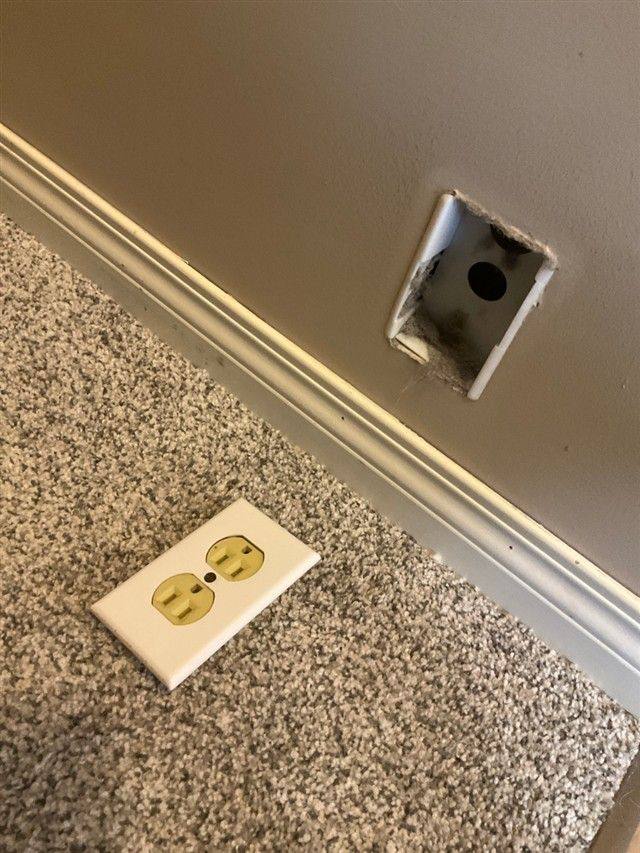
 A fake (non-functional) receptacle was noted in the primary closet.
10.3 Item 1(Picture)
10.4 Connected Devices and Fixtures (Observed from a representative number operation of ceiling fans, lighting fixtures, switches and receptacles located inside the house, garage, and on the dwelling's exterior walls)
Comments: Inspected
 All accessible receptacles and switches worked as required on the day of inspection. Some outlets were not accessible due to furniture or stored personal items.
10.5 Polarity and Grounding of Receptacles within 6 feet of interior plumbing fixtures, all receptacles in garage, carport and exterior walls of inspected structure
Comments: Inspected
10.6 Operation of GFCI (Ground Fault Circuit Interrupters)
Comments: Inspected
 GFCIs are tested using an outlet and a GFCI tester.

For Educational Purposes:
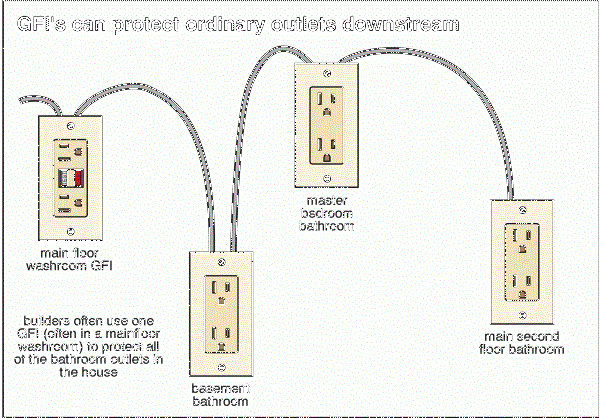
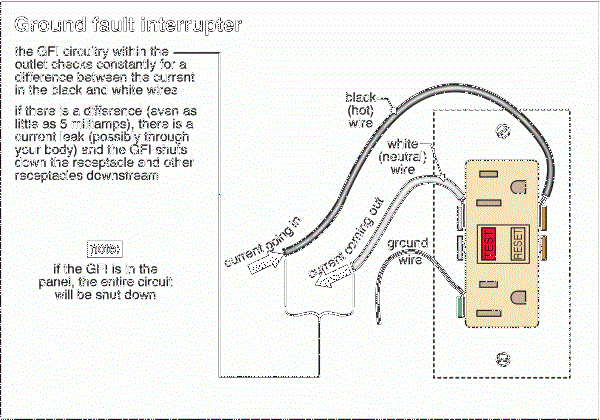
A ground-fault circuit interrupter (GFCI) can help prevent electrocution. If a person starts to receive a shock, the GFCI senses it and cuts the power before they are injured. GFCIs are generally installed where electrical circuits within appliances may accidentally contact water. They are most often found in kitchens, baths, laundry rooms, outside or in the garage. We may suggest GFCI upgrades in areas. These are suggestions only and in some cases are not possible due to the age of the home/panel. For a more detailed review of electrical issues, we suggest a journeyman electrician review, if required.

10.6 Item 1(Picture) GFCI
10.6 Item 2(Picture) GFCI
10.7 Main Distribution Panel
Comments: Inspected
 The main distribution panel is located in the basement utility room.
10.7 Item 1(Picture)
10.7 Item 2(Picture)
10.9 Smoke Detectors
Comments: Inspected, Repair or Replace
 The smoke detector is aged. Recommend replacing it.

Periodic testing is suggested to ensure proper working order. These only last 10 years, even if they sound on testing. If age is unknown, replacement is recommended.
10.9 Item 1(Picture)
10.9 Item 2(Picture) Smoke Detectors
10.10 Carbon Monoxide Detectors
Comments: Inspected
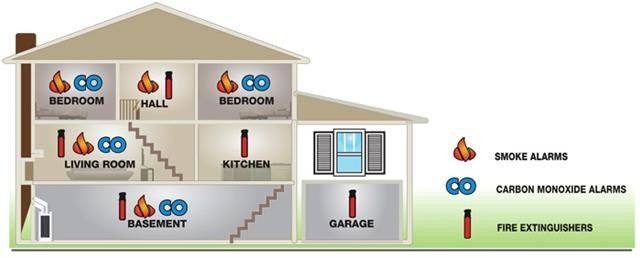
 CO detectors typically last 7 to 10 years, depending on the manufacturer; check the date on the unit and replace by the manufacturer's end-of-life date. Periodic testing is suggested to ensure proper working order. If age is unknown, recommend replacement. CO detectors should be located on each level of the home.
10.10 Item 1(Picture) Carbon Monoxide Detectors
The electrical system of the home was inspected and reported on with the above information. As a generalist,our electrical inspection are limited - if a more advanced inspection is required we recommend contacting a qualified electrician for full review. While the inspector makes every effort to find all areas of concern, some areas can go unnoticed. Outlets were not removed and the inspection was only visual. Any outlet not accessible (behind the refrigerator for example) was not inspected or accessible. Please be aware that the inspector has your best interest in mind. Any repair items mentioned in this report should be considered before purchase. It is recommended that qualified contractors be used in your further inspection or repair issues as it relates to the comments in this inspection report.
Top Table of Contents Bottom

11.  Heating / Central Air Conditioning

Per the InterNACHI Standards of Practice, the inspector inspects the heating and cooling systems using normal operating controls and describes the thermostat location, energy source, and heating and cooling method. The interiors of flues and heat exchangers, and system capacity, are not inspected. Air conditioning is not operated when the outdoor temperature is below 18°C (65°F).
Styles & Materials
Heat Type:
Forced Air
Energy Source:
Gas
Number of Heat Systems (excluding wood):
One
Heat System Brand:
CARRIER
Ductwork:
Non-insulated
Filter Type:
Disposable
Filter Size:
16x25
Types of Fireplaces:
Vented gas logs
Operable Fireplaces:
One
Thermostat Location:
Main floor
   
Items
11.0 Heating Equipment
Comments: Inspected
11.1 Furnace
Comments: Inspected
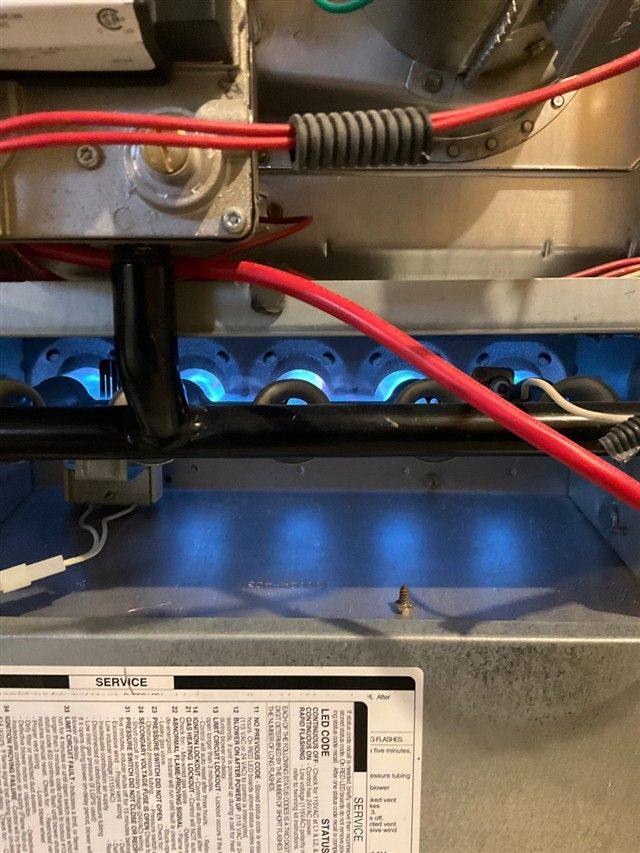
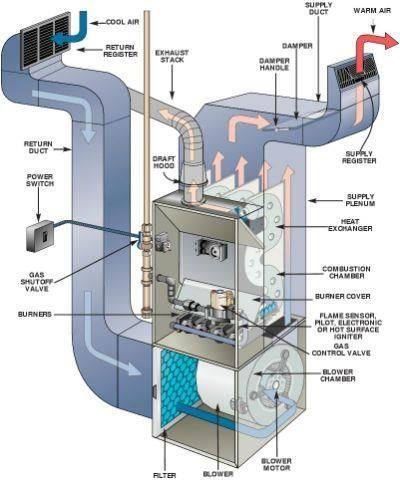
 Due to the inaccessibility of many of this unit's components, the review is limited. The unit was tested using normal operating controls and appeared to function properly at the time of the inspection. Holes or cracks in the heat exchanger are not within the scope of this inspection, as heat exchangers are not visible or accessible to the inspector. If a detailed inspection is desired, a licensed HVAC technician should be consulted prior to closing to ensure proper and safe operation of this unit. No warranties can be offered on this or any other appliance.

Maintenance Tip:
1. Recommend changing filters every 2-3 months, unless otherwise stated by the filter manufacturer. Replace the filter upon possession of the home.

2. Recommend a full cleaning and service upon possession, then every one to two years by a qualified service professional. This will improve your air quality, reduce dust and extend the life of your furnace.
11.1 Item 1(Picture)
11.1 Item 2(Picture)
11.1 Item 3(Picture)
11.1 Item 4(Picture) Furnace
11.2 Humidifier
Comments: Inspected, Repair or Replace
 The humidifier is aged. Recommend a newer model. Humidifiers are only visually inspected as none of the components are removed during an inspection.
Maintenance Tip:
Humidifiers require annual service for proper operation.
11.2 Item 1(Picture)
11.3 Normal Operating Controls
Comments: Inspected
11.4 Automatic Safety Controls
Comments: Inspected
11.5 Distribution Systems (including fans, pumps, ducts and piping, with supports, insulation, air filters, registers, radiators, fan coil units and convectors)
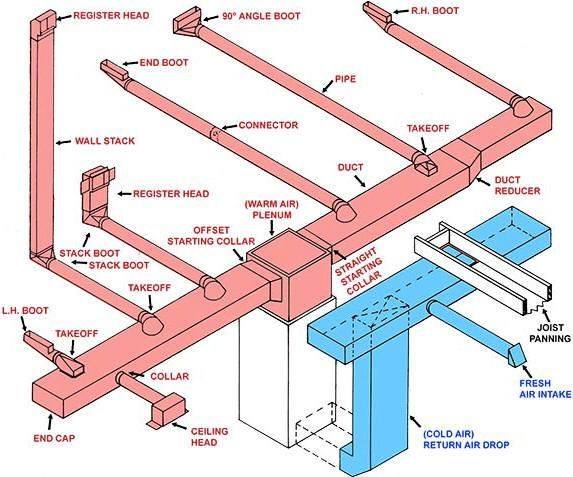
Comments: Inspected
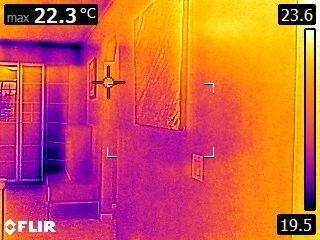
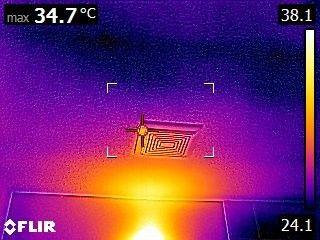
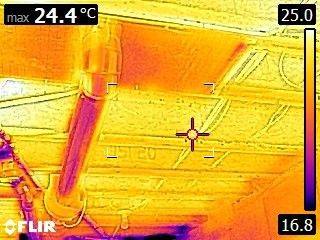
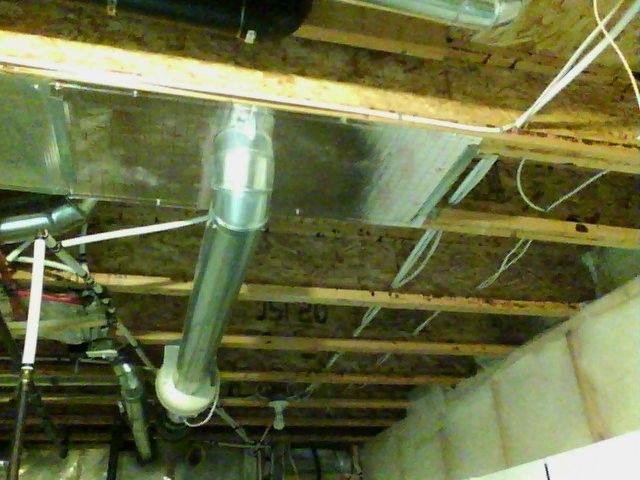
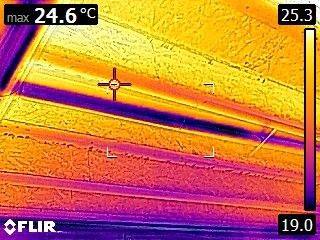
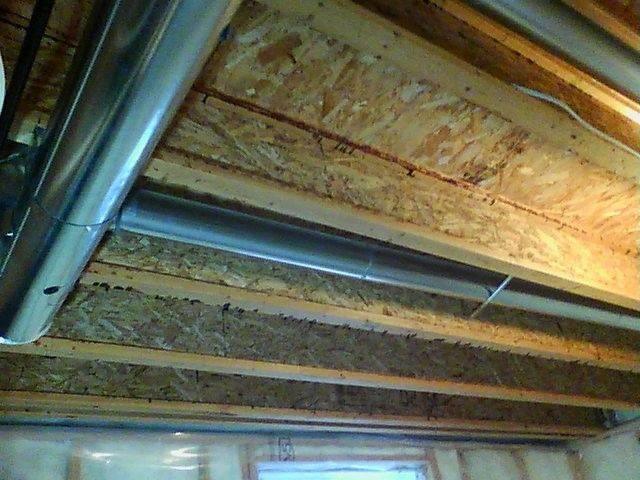
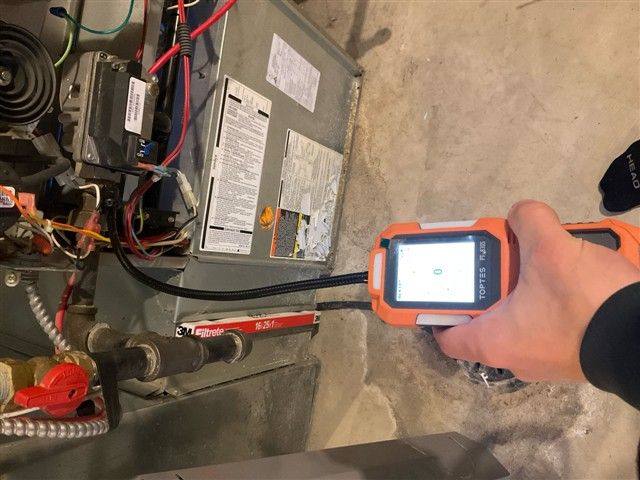
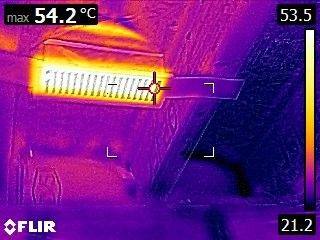
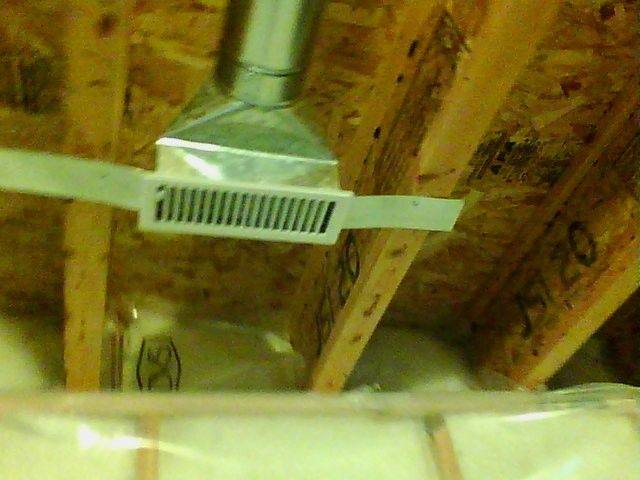
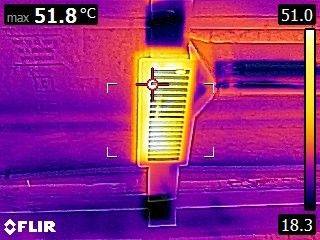
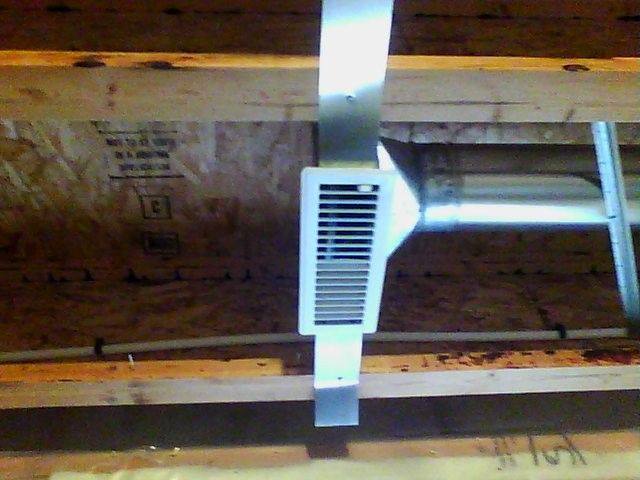
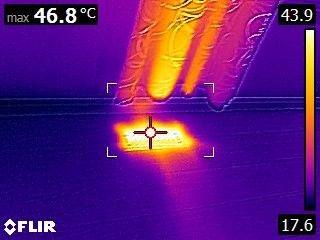
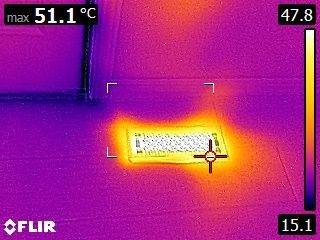
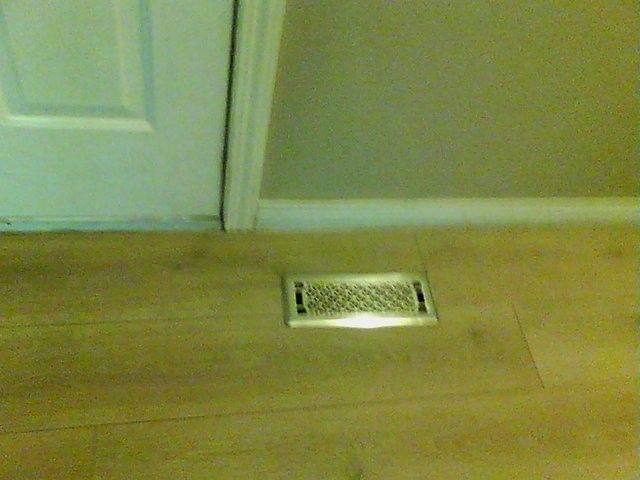
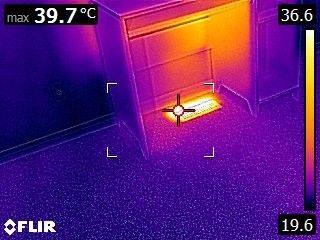
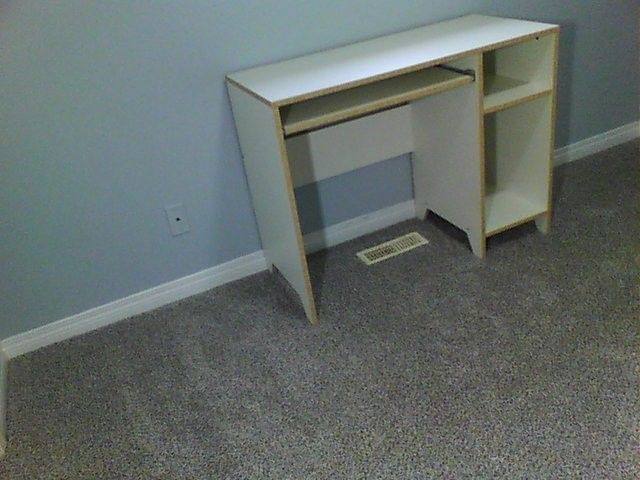
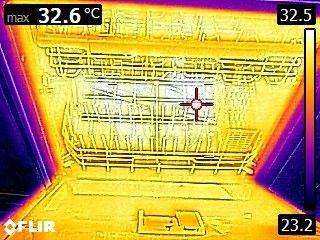
 Duct work is in place and correct where visible. All visible heat registers were tested using thermal imaging to ensure they are operating consistently as required.

Maintenance Tip:
It is always a good idea to use aluminum tape on joints, gaps and holes to reduce heat loss in unwanted areas. It will also provide better airflow from the vents around the home.
11.5 Item 1(Picture) Distribution Systems
11.6 Flues and Vents (for fireplaces, gas water heaters or heat systems)
Comments: Inspected
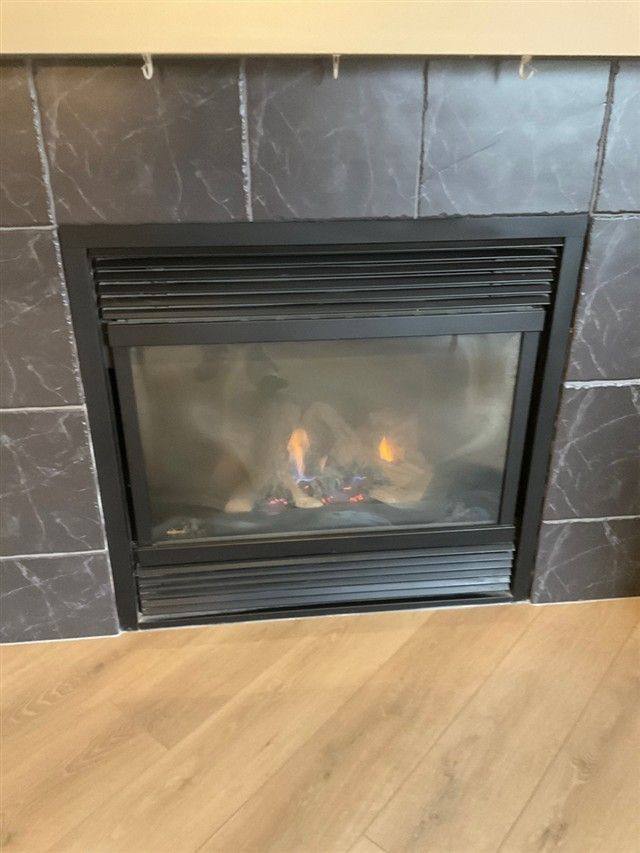
11.8 Gas/LP/Electric Fireplaces
Comments: Inspected
 The fireplaces worked properly during the inspection.
11.8 Item 1(Picture)
11.9 Cooling and Air Handler Equipment
Comments: Not Inspected
11.10 Normal Operating Controls
Comments: Not Inspected
11.11 Presence of Installed Cooling Source in Each Room
Comments: Not Inspected
11.12 Presence of Installed Heat Source in Each Room
Comments: Inspected
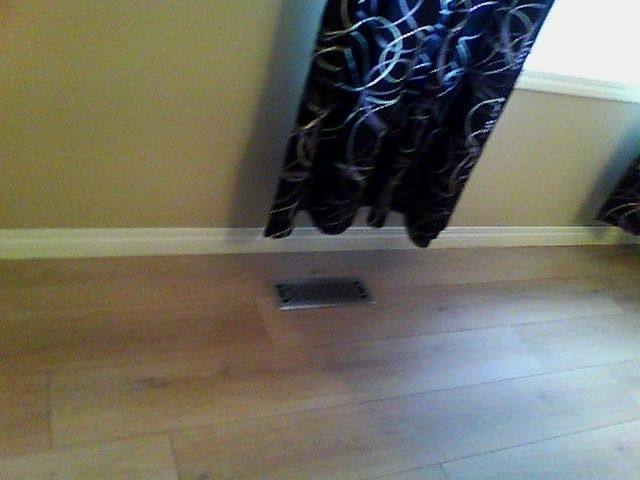
 All visible heat registers were tested using thermal imaging to ensure they are operating consistently as required. It is common for rooms further from the furnace to have a slightly lower heat distribution.
11.12 Item 1(Picture)
11.12 Item 2(Picture)
11.12 Item 3(Picture)
11.12 Item 4(Picture)
11.12 Item 5(Picture)
11.12 Item 6(Picture)
11.12 Item 7(Picture)
11.12 Item 8(Picture)
11.12 Item 9(Picture)
11.12 Item 10(Picture)
The heating and cooling system of this home was inspected and reported on with the above information. While the inspector makes every effort to find all areas of concern, some areas can go unnoticed. The inspection is not meant to be technically exhaustive. The inspection does not involve removal and inspection behind service door or dismantling that would otherwise reveal something only a licensed heat contractor would discover. Please be aware that the inspector has your best interest in mind. Any repair items mentioned in this report should be considered before purchase. It is recommended that qualified contractors be used in your further inspection or repair issues as it relates to the comments in this inspection report.
Top Table of Contents Bottom

12.  Laundry Area

Laundry machines are tested through running them though a washing/drying cycle, when hooked up. We do not disconnect the supply hoses to the washer, nor do we operate the valves. Venting of exhaust fans or clothes dryer cannot be fully inspected and bends or obstructions can occur without being accessible or visible (behind wall and ceiling coverings). Only insulation that is visible was inspected. These can fail at anytime, no warranties or guarantees are given on any appliances in the home.
Styles & Materials
Dryer Power Source:
220 Electric
Dryer Vent:
Flexible Metal
Cabinetry:
Wood
Items
12.0 Washing Machine
Comments: Inspected
 The washing machine was run on a short cycle to test its operation and check for leaks. It worked as required on the day of the inspection. This test does not assess its performance or ability to wash clothes effectively.
Washer Hook Ups: The washer hookups were visually observed. We do not disconnect the supply hoses to the washer or operate the valves. These can leak or fail at any time. No warranties or guarantees are given on any appliances in the home.
12.1 Clothing Dryer
Comments: Inspected
 The clothing dryer was tested on a short cycle and worked as required. Dryer vents should be kept clean and clear. This short test does not assess the machine's performance. Dryers can fail at any time. No warranties or guarantees are given on any appliances in the home.
Maintenance Tip:
Recommend having the dryer vent line cleaned out every one to two years.
12.3 Floors
Comments: Inspected
12.5 Plumbing Drain, Waste and Vent Systems
Comments: Inspected
 The laundry room plumbing was tested during the inspection and found to be dry with no current signs of leaks. Ongoing monitoring is recommended.
12.6 Plumbing Water Supply, Distribution Systems and Fixtures
Comments: Inspected
 The laundry room plumbing was tested during the inspection and found to be dry with no current signs of leaks. Ongoing monitoring is recommended.
12.7 Laundry Room Electrical
Comments: Inspected
 GFCIs are in place near water sources and were tested using an outlet and GFCI tester. No issues to report. (For more information on GFCIs, see the Electrical System section.)
12.8 Laundry Room Drain
Comments: Inspected
The laundry room was inspected and report on. While the inspector makes every effort to find all areas of concern, some areas can go unnoticed.  Please be aware that the inspector has your best interest in mind. Any repair items mentioned in this report should be considered before purchase. It is recommended that qualified contractors be used in your further inspection or repair issues as it relates to the comments in this inspection report.
Top Table of Contents Bottom